
I remember arriving at the Grand Canyon in July. My family faced hours of traffic. Our motel room cost $300 per night. It felt like the wilderness was lost under crowds and high prices.
This experience changed my travel plans. I found that moving my trips a few weeks made all the difference. By visiting during the national park shoulder season, I enjoy empty trails and beautiful weather without the hassle.
This approach is my secret to visiting these treasures. You can save a lot on lodging and find the peace you seek. Let me guide you to make the most of your outdoor adventures.
Key Takeaways
- Visit during spring or fall to experience lower visitor numbers.
- Save significant money on gateway-town accommodations by booking off-peak.
- Enjoy milder weather conditions perfect for hiking and photography.
- Access popular trails without the frustration of heavy traffic.
- Discover a more authentic, quieter connection with nature.
The Reality of Peak Season Travel
Summer vacations are a big deal in America, but visiting national parks in July can be stressful. The crowds turn a peaceful trip into a challenge. Understanding these challenges helps plan a better trip.
Why July is the Most Expensive Month
High costs in July come down to supply and demand. With millions on vacation, rooms and spots fill up fast. Rooms that usually cost $120 now go for over $300.
Rental cars and tours also get pricier. Booking early is essential, but you’ll still pay more.
The Hidden Costs of Bumper-to-Bumper Traffic
Time lost in traffic is a high cost. I’ve spent hours waiting to get into parks or find parking. This wastes vacation time and increases fuel use.
The table below shows how peak season affects your trip compared to off-peak times.
| Travel Factor | Peak Season (July) | Off-Peak Season |
|---|---|---|
| Average Lodging Cost | $300+ per night | $120 – $180 per night |
| Traffic Wait Times | 60-120 minutes | Minimal to none |
| Trailhead Crowds | Very High | Low to Moderate |
| Overall Stress Level | High | Low |
Fighting for parking adds to the stress of summer trips. Traveling outside peak times avoids these issues. You can explore parks at your pace without crowds.
Defining the National Park Shoulder Season
Traveling during the national park shoulder season is special. It’s a time when parks are less crowded and more peaceful. This period is between the quiet winter and the busy summer.
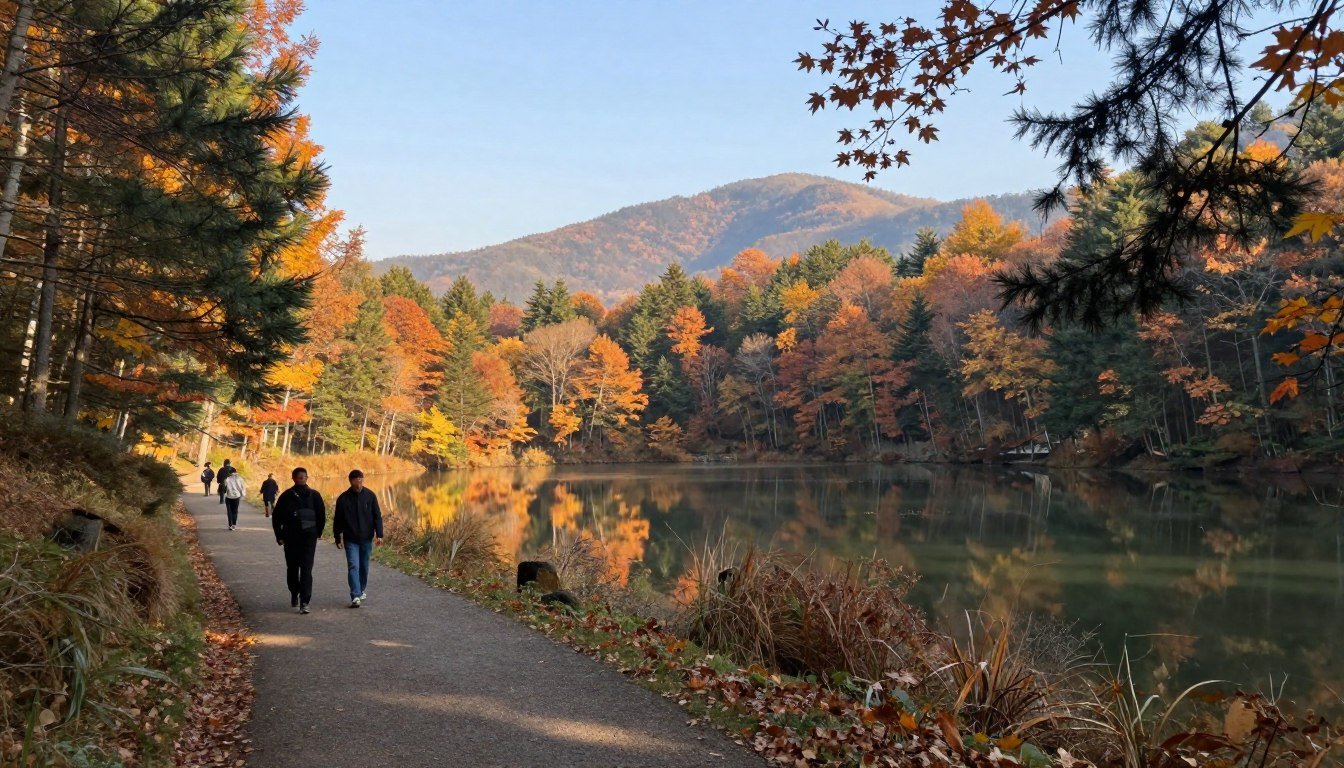
It usually happens in spring and autumn. During these months, parks are open, but there are fewer visitors.
Identifying the Sweet Spot for Spring and Fall
Finding the right time for your visit is key. The sweet spot is usually late April to early May or late September to October. Here, you’ll enjoy:
- Reduced wait times at park gates.
- More chances to book campsites and lodges.
- Less crowded trails for a more peaceful hike.
- Lower costs for rental cars and accommodations.
Why Weather Patterns Favor the Off-Peak Traveler
The national park shoulder season is not just about saving money. It’s also about comfort. Summer heat in desert parks can be too much, but spring and fall are mild.
These months are great for photography because of the light. The sun is lower in the sky, making for beautiful shots.
Traveling in these times means avoiding the hot midday sun. You’ll enjoy cool mornings and evenings, perfect for campfires. The national park shoulder season lets you see the parks in their best light and comfort.
Mastering the Art of Cheap National Park Trips
The secret to cheap national park trips is smart planning. Focus on what really matters to save money. I aim to guide you to value experiences over pricey conveniences.
Budgeting for Entrance Fees and Park Passes
Using the America the Beautiful annual pass is a smart money move. It’s worth it if you visit more than two parks in a year. This pass lets you enter over 2,000 federal sites for free.
Here’s a cost breakdown to help you save on your next trip:
| Pass Type | Cost | Coverage | Best For |
|---|---|---|---|
| Single Park Entry | $30 – $35 | One park, 7 days | Short, single trips |
| Annual Pass | $80 | All National Parks | Frequent travelers |
| Senior Lifetime Pass | $80 | Lifetime access | Seniors 62+ |
Strategies for Finding Affordable National Park Lodging
For cheap national park trips, where you stay is key. Staying inside the park is convenient but pricey. Look for places in gateway towns just outside the park.
These towns offer better deals than park lodges. Book early for discounts. Being flexible with your travel dates can also save you money.
Choosing modest motels or campgrounds in nearby towns keeps costs down. This way, you have more for gear, food, and tours. It’s a smart way to enjoy your trip without breaking the bank.
Grand Canyon: Finding Solitude Beyond the Rim
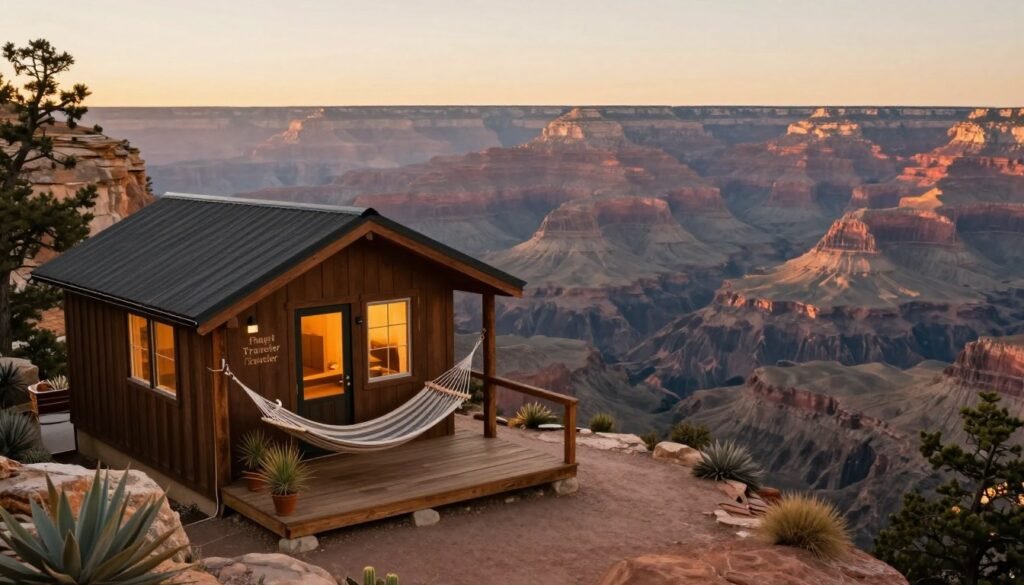
My plan for visiting the Grand Canyon is to go in the spring or fall. These seasons offer cooler weather and fewer crowds. You can find affordable national park lodging more easily during these times.
The Best Months to Visit for Lower Rates
I suggest visiting from late April to May or from September to October. Lodging prices drop during these months. You can find affordable national park lodging in towns like Tusayan or Williams.
Booking during these times is not just cheaper. It also means you can find places to stay more easily. You won’t have to book a year in advance, which is great for saving money.
Navigating the South Rim Without the Summer Crush
When you get there, you’ll notice a big difference. The trails are less crowded, and you can enjoy the views without the rush. Start your hikes early to experience the canyon’s breathtaking silence.
The park shuttle system works better in the shoulder season. You’ll wait less and see more. Here’s why these months are the best for your visit.
| Travel Factor | Summer Peak | Shoulder Season |
|---|---|---|
| Lodging Costs | Premium/High | Budget-Friendly |
| Crowd Levels | Very High | Low to Moderate |
| Shuttle Wait Times | Long/Frequent | Minimal/Short |
| Weather Comfort | Extreme Heat | Mild/Pleasant |
Zion National Park: Timing Your Visit for Success
Visiting Zion in the shoulder season changed how I see this famous place. Many people go in the summer, but going in the shoulder season is better. It’s quieter and feels like you have the park to yourself.
Avoiding the Shuttle Bus Bottlenecks
The shuttle system is a key part of Zion, but it can be slow in summer. Visiting in the shoulder season means less waiting. Early-morning departures are best for getting a seat without the afternoon crowds.
Always check the park’s website for shuttle times before you go. Sometimes, you can even drive the scenic route in the shoulder season. This is a big plus for those who like to go at their own pace.
Why Late October Offers the Best Hiking Conditions
Late October is the best time for hiking, in my opinion. The desert’s heat is gone, and the weather is cool and perfect for hikes. The vibrant fall foliage adds beauty to the red sandstone cliffs.
The light in late autumn is great for photos. The trails are also quieter, letting you enjoy the park’s natural silence. This time of year is all about exploring, not fighting crowds.
The Best Time to Visit Yosemite Budget Style
My secret for a budget-friendly Yosemite trip is to go in spring or fall. The best time to visit Yosemite on a budget is when it’s not summer. Summer is when prices for accommodation and activities go up. By changing your travel dates, you can see the park’s beauty without spending too much.
Unlocking Yosemite Valley Without the Peak Pricing
Visiting in May or October is the key to saving money. These months have fewer people, and places to stay lower their prices. Being flexible is key when planning your trip.
To save more, follow these tips:
- Stay in towns like Mariposa or Oakhurst during the week.
- Bring your own food to avoid high dining costs.
- Choose places with kitchens so you can cook and save on food.
Seasonal Road Closures and How to Plan Around Them
The shoulder season is the best time to visit Yosemite on a budget, but watch out for environmental conditions. Roads like Tioga Road close due to snow. Always check the park’s website before you go.
Having a backup plan is smart if your route is closed. Knowing about road conditions helps your trip stay smooth. Planning for these changes lets you enjoy Yosemite’s beauty without stress.
How to Avoid Crowds in National Parks Effectively
Timing is everything for a peaceful park visit. Weekends bring a flood of visitors, making trails crowded. Learning to avoid crowds in national parks can change your outdoor adventures.
The Power of Mid-Week Travel
Plan your trips from Tuesday to Thursday if you can. Weekend visitors arrive on Friday and leave by Sunday. This leaves the trails quiet and parking easy.
Traveling mid-week is a smart move to avoid crowds in national parks. You’ll see less traffic and enjoy better scenery. Local services in gateway towns are also more available.
Early Morning and Late Evening Trail Tactics
Adjust your day to match the quietest hours. Start your hike at dawn to see the wilderness at its best. This way, you beat the day-trippers.
If you’re not an early bird, try hiking in the late evening. Many visitors return to their lodgings for dinner. Here are some tips for a peaceful hike:
- Start your hike before 7:00 AM to secure parking and enjoy quiet paths.
- Utilize the “Golden Hour” for photography, as it offers the best light and fewer people.
- Pack a headlamp so you can safely enjoy the trails during the peaceful twilight hours.
- Check park alerts to see if specific areas have restricted access during peak times.
By making these simple changes, you can avoid crowds in national parks and enjoy nature more. Controlling your schedule is key to a stress-free adventure.
Booking Accommodations Outside the Park Gates
My favorite way to enjoy a national park without breaking the bank is by choosing lodging just outside the entrance. Staying inside the park is convenient, but gateway towns offer affordable national park lodging. This lets you save money for adventures.
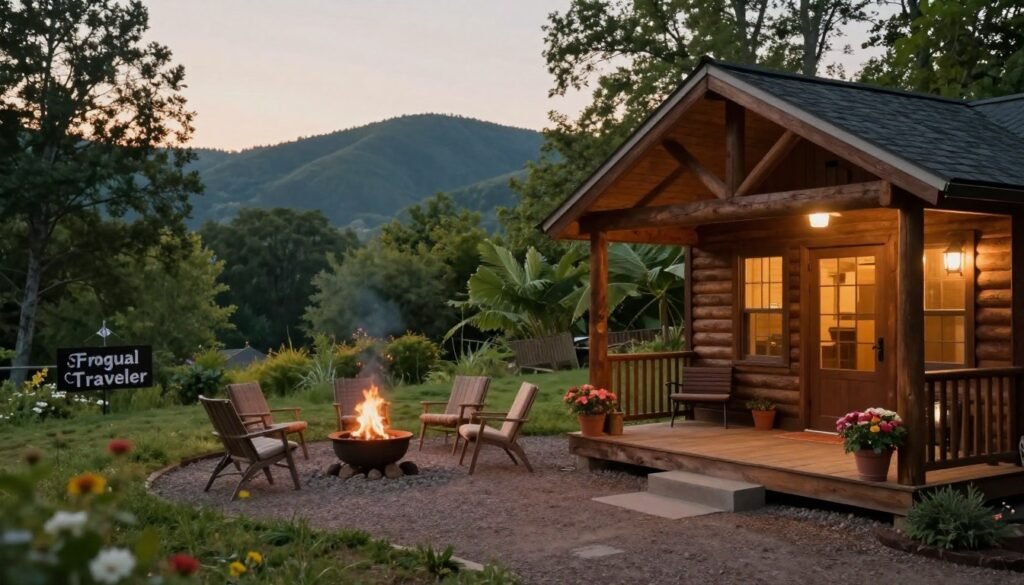
These towns are perfect as your base camp. Staying a few miles away gives you more dining options, grocery stores, and local services. These are often not found inside the park.
Comparing Gateway Town Prices Across Seasons
Pricing in gateway communities varies widely with the seasons. Prices go up in the peak summer months. But you can find great deals by traveling during the shoulder season.
The table below shows how affordable national park lodging prices change throughout the year:
| Season | Price Level | Availability |
|---|---|---|
| Peak Summer | High | Limited |
| Shoulder Season | Moderate | Good |
| Off-Season | Low | Excellent |
Visiting in spring or fall can save you 30% to 50% on rooms. This makes it easier to stay within your budget while enjoying a comfortable stay.
Leveraging Off-Season Discounts for Premium Stays
One secret for savvy travelers is that premium accommodations offer big discounts in the off-season. You can find high-end lodges or boutique hotels with significant discounts when it’s less busy.
To save more, follow these tips:
- Book directly through the hotel website to avoid third-party service fees.
- Sign up for loyalty newsletters to get exclusive off-season codes.
- Look for midweek stay packages that include breakfast or park pass credits.
By using these tips, you can enjoy luxury at a lower cost. A little planning can turn an affordable national park lodging search into a luxury experience.
Packing for Variable Shoulder Season Weather
Learning to pack right is key to enjoying shoulder season adventures. You might save money on lodging in national parks during these months. But you’ll face unpredictable weather. Being ready for these changes means you can enjoy the trails, not just the car.
Layering Strategies for Rapid Temperature Changes
The three-layer system is the best way to deal with spring and fall’s temperature swings. Begin with a moisture-wicking base layer to keep sweat off your skin. This is crucial because wet clothes lose heat fast when it gets cold.
Then add a mid-layer, such as fleece or a lightweight down jacket, to stay warm. Always carry a windproof and waterproof outer shell. This setup lets you easily adjust to changing weather.
Essential Gear for Spring Showers and Autumn Chills
When staying in affordable national park lodging, your gear needs to be versatile. I always bring a good rain jacket, even if it’s sunny, because mountain weather can change quickly. Waterproof hiking boots are also essential to keep your feet dry.
Remember to pack a warm beanie and lightweight gloves, even in shoulder season. These small items are crucial for comfort in cold weather. By focusing on these essentials, you’ll stay safe and comfortable on your trip.
Transportation Logistics for Off-Peak Travel
Traveling to national parks during the shoulder season is easier and cheaper. Moving your trip away from summer crowds offers big transportation perks. Knowing these tips is key, especially for those on a budget.
Rental Car Savings During the Shoulder Months
Rental car prices go up in summer due to high demand. This makes car rentals a big part of your budget. But traveling in the shoulder season can get you lower rates.
Book your rental car early, even for off-peak times. While there’s more choice, some types might be scarce. Comparing prices across agencies can save you money.
Public Transit and Shuttle Availability Updates
Many parks have seasonal shuttle systems that change with visitor numbers. Always check the shuttle status before you go. Some shuttles might run less or stop in off-peak times.
Staying up to date on these services is crucial, especially for budget travelers. Reliable transportation lets you park your car and avoid fuel and parking hassles. Check the park’s website for shuttle maps and hours to keep your plans on track.
Dining and Supplies on a Budget
Smart travelers know that the secret to cheap national park trips often starts in the grocery aisle. Planning your meals ahead of time helps you avoid high costs at park concessions. This way, you can spend more on experiences and less on snacks.
Stocking Up Before You Reach the Park
Always hit a supermarket in a major city before reaching the park. Prices inside national parks are often higher because of the remote location. Stocking up on essentials like water, dry goods, and snacks prepares you for any adventure.
Planning your menu helps save money and reduce waste. If you have a cooler, choose fresh produce and proteins for cooking at your campsite. This simple habit is key to successful, cheap national park trips that don’t compromise on quality or nutrition.
Finding Local Gems in Gateway Communities
For a hot meal, look to the gateway communities around the park. These towns have family-owned diners and cafes that offer better value than park-run facilities. You’ll find these spots provide a more authentic experience and support the local economy.
Ask locals for their favorite places to eat to avoid tourist traps. The best meals are often just a few miles outside the park gates. Using these resources is a smart way to enjoy cheap national park trips without missing out on local flavor.
| Dining Option | Price Range | Convenience | Authenticity |
|---|---|---|---|
| Park Concessions | High | Very High | Low |
| Gateway Town Diners | Moderate | Medium | High |
| Self-Catering | Low | Low | Medium |
Wildlife Viewing and Seasonal Activity Shifts
The best time to see wildlife is during the seasons when it’s not too busy. When summer ends, animals come out more. This makes it easier to see them without the crowds.
What to Expect from Animal Behavior in Spring and Fall
In spring, animals wake up from hibernation or return from migration. It’s a time of new life, where you might see babies or unique mating rituals. Patience is your greatest asset as they find food and protect their young.
Autumn is different, as animals get ready for winter. You might see elk or deer in the rut, showing off their strength. Small mammals are also more active, caching food for winter.
Photography Tips for Golden Hour Lighting
The shoulder season has amazing light for photos. The sun is lower, giving you a longer golden hour. This light is perfect for capturing fur textures and bird feathers.
Arrive early or stay late to catch the best light. Use a tripod for steady shots when it gets dark. Always keep a distance from wildlife to respect their space.
Safety Considerations for Shoulder Season Hikers
Off-peak travel can save you a lot of money. But it also means you need to take care of yourself on the trail. Whether you’re looking for the best time to visit Yosemite on a budget or exploring a quiet desert canyon, the shoulder season can be unpredictable. Remember, nature doesn’t stop just because there are fewer people around.
Monitoring Trail Conditions and Park Alerts
Before you start your hike, check the park’s official website for updates. Shoulder seasons can change quickly, with weather shifting fast, especially at higher elevations.
Look for trail closures, mud warnings, and ice reports before you go. Knowing this information can help you avoid dangerous situations. Park alerts are there to keep you safe from hidden dangers.
The Importance of Being Self-Reliant
Off-peak months mean fewer park staff. Visitor centers might be closed, and help could take longer to arrive than in summer.
Being self-reliant is crucial for your safety. Always carry extra water, a map, and a first-aid kit, even on short hikes. With the right preparation, you can enjoy your hike with complete peace of mind and confidence to face any challenge.
The Environmental Impact of Off-Peak Visitation
Visiting during the national park shoulder season is a great way to help the environment. It also lets you enjoy a quieter park experience. By traveling outside the summer season, you help keep these places beautiful for future visitors.
Reducing Your Footprint on Fragile Ecosystems
Summer crowds can harm the park’s soil and trails. Choosing the national park shoulder season reduces this damage. It also means less noise, helping local animals live more freely.
Responsible travel means more than just staying on trails. It’s about reducing waste and respecting the park’s balance. Visiting when it’s less busy makes it easier to follow Leave No Trace principles.
Supporting Local Economies During the Off-Season
Many towns near parks depend on tourists to survive. Visiting the national park during the shoulder season helps these businesses. It ensures year-round employment for local people.
Helping these communities creates a better tourism model. It values long-term success over quick profits. Your travel dollars keep local shops and cafes open, strengthening the connection between parks and towns.
Tools and Apps for Planning Your Trip
Exploring our national parks is easier with the right tech. Using digital tools helps me avoid crowds in national parks and enjoy nature more. It makes my trip smooth and stress-free.
Using Official Park Service Resources
The best info comes from the National Park Service itself. I always check their website and app before I go. They offer essential updates on trails, roads, and emergencies.
“Technology is best when it brings people together with the natural world, providing the clarity needed to explore safely and responsibly.”
These tools keep me up to date on park rules and permits. I download maps offline since cell service is rare in parks. This way, I always have important info, no matter where I am.
Tracking Real-Time Crowds and Weather Data
Being flexible is key for a great trip. I use real-time data to check crowds and weather. This lets me change my plans quickly.
Knowing the weather is crucial for safety. Here’s how I use tech to stay ready:
- Checking live webcams to see parking lot crowds.
- Monitoring weather alerts to avoid crowds in national parks during busy times.
- Looking at recent visitor reports for trail and wildlife updates.
Using these apps makes me more confident in my wilderness adventures. They let me enjoy the scenery without worrying about the details.
Conclusion
Planning your trip during the shoulder season changes how you see the outdoors. You can explore famous places without the crowds. I aim to help you find cheap national park trips that won’t break the bank.
You have the tools to dodge the crowds that summer brings. Spring or autumn means better prices and peaceful trails. These times offer a special view of places like Zion or Yosemite.
Start planning your trip now. Use the tips to plan your route and pack for the weather. You deserve a quiet escape into nature that’s affordable. Your next adventure is waiting for you to take it on your terms.


