


Last summer, I embarked on a cross-country trip with a tight budget. I looked for the cheapest gas and motels to keep costs down. But, my money was going fast, not just for fuel.
It was the digital fees and charges from my car’s connectivity that were eating into my savings. These costs were sneaky and added up quickly.
Today’s travel is affected by a vast digital network. This surveillance tax on american road trips quietly drains your wallet. These hidden travel costs show up as small fees that you might not notice until you get home.
To travel smart today, you need to do more than find cheap food and gas. You must also watch out for fees that track your data and movement. Knowing about these changes helps you save money and enjoy your trip more.
Key Takeaways
- Modern road trips face new financial hurdles beyond basic fuel and food.
- Digital tracking infrastructure creates an invisible financial burden for motorists.
- Being a savvy explorer now requires awareness of automated digital fees.
- Small, recurring charges can quickly derail a carefully planned budget.
- Proactive management of your vehicle’s connectivity is essential for savings.
The Rising Cost of Digital Travel Privacy
Every mile you drive now comes with a hidden cost to your personal anonymity. Keeping travel privacy in today’s world is no longer easy. It has become a complex and often expensive task for drivers.
Companies track our movements more aggressively than ever before. This creates a real surveillance tax on american road trips that many travelers don’t notice until they see their final expenses. Protecting your data is now essential for any budget-conscious journey.
We must see data security as a necessary utility, not a luxury. The costs of VPN subscriptions, encrypted messaging, and privacy-focused navigation tools add up quickly. Staying off the grid comes with a price.
“Privacy is not about hiding; it is about the right to choose what you share with the world.”
To show how these costs affect your wallet, I’ve made a breakdown of common privacy-related expenses. These tools are key for those who want to reduce their digital exposure while traveling.
| Privacy Tool | Estimated Monthly Cost | Primary Benefit |
|---|---|---|
| Premium VPN Service | $10.00 | Masks IP address |
| Encrypted Email | $5.00 | Secures communications |
| Privacy-Focused Browser | $0.00 | Blocks trackers |
| Data Removal Service | $12.00 | Cleans personal info |
Ignoring these tools can lead to higher costs in the long run. By investing in travel privacy upfront, you avoid the hidden surveillance tax on american road trips that targets your personal data for profit. Taking control of your digital footprint is the smartest way to keep your travel budget intact.
Understanding the Surveillance Pricing Phenomenon
The modern road trip is changing thanks to surveillance pricing. This method lets retailers and travel sites adjust prices based on your data. It’s all about making more money from travelers who are already planning their trips.
When you look for flights or hotels, your online activities tell a story. Companies use your location, device, and search history to guess how much you’re willing to pay. If they think you’re in a rush or have few choices, they might raise the price quietly.
It’s upsetting that our habits are used against us. Knowing how surveillance pricing works can help you control your travel budget. It’s not just luck; it’s about spotting the patterns that lead to higher prices.
The table below shows how different data points can affect the price you see when booking.
| Data Point | Impact on Price | Reasoning |
|---|---|---|
| Device Type | High | Premium devices often signal higher disposable income. |
| Search Frequency | Medium | Repeated searches suggest high intent and urgency. |
| Location Data | High | Local demand spikes can trigger automatic price increases. |
| Surveillance Pricing | Critical | Real-time adjustments based on user profile data. |
Being informed is your best way to fight these systems. When you know surveillance pricing is at play, you can hide your data or shop around. These small steps can help you save money for your trip.
Section 24220 and the Future of Driver Monitoring Systems
Starting in 2027, your car will watch you more than ever. Federal rules will make all new cars have driver monitoring systems. These systems check if the driver is paying attention.
This change comes from Section 24220 infrastructure act car privacy debates. It aims to make roads safer. But, it also makes us wonder how much data our cars will collect. It’s scary that our driving habits are part of a big data network.
These systems will bring big changes for car owners. You’ll face costs beyond the car’s price. Here are some things to think about:
- Increased maintenance costs because of complex sensors.
- Subscription fees for updates to keep driver monitoring systems working.
- The danger of data breaches with your car’s sensitive info.
- Higher insurance costs if your car says you’re driving unsafely.
We need to watch how Section 24220 infrastructure act car privacy rules change. As these rules start, keeping your driving private will cost more. It’s key for drivers to know what’s in their car before buying.
The Financial Burden of Mandatory In-Car Cameras
The move to make in-car cameras mandatory is hitting American drivers hard. These driver monitoring systems are now a must-have, not just for the rich. They’re making every car more expensive.
Car makers are making us pay for these hidden costs of 2027 driver monitoring systems. It’s a big change in how we plan for car costs. You’re paying extra for tech that watches you, even if you don’t want it.
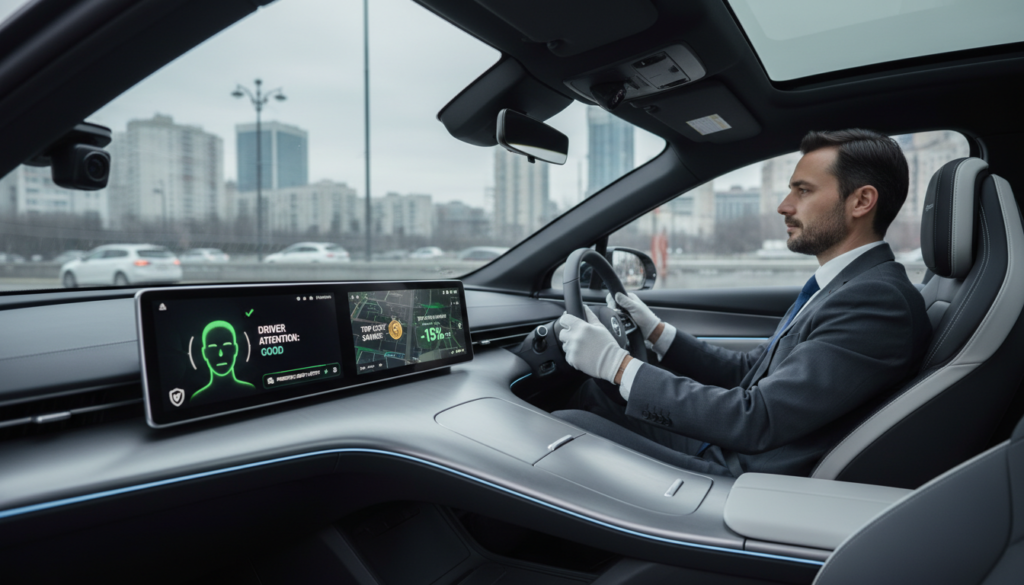
There’s also the worry about keeping these systems running. If something breaks, like a camera or sensor, you can’t just ignore it. These parts are linked to important safety features. So, fixing them can lead to a costly dealership visit.
The table below shows how these tech-heavy cars affect our wallet compared to old-school cars.
| Cost Category | Traditional Vehicle | Tech-Heavy Vehicle |
|---|---|---|
| Initial Purchase Price | Baseline MSRP | Premium Surcharge |
| Sensor Repair Costs | Minimal | High Complexity |
| Software Updates | None Required | Subscription Fees |
| Insurance Premiums | Standard Rates | Potential Discounts/Hikes |
I think it’s key to see that these driver monitoring systems are more than just safety tools. They’re changing how we think about driving costs. As they become more widespread, we’ll face higher repair costs and more expenses for years.
How Automated License Plate Readers Track Your Every Move
Automated License Plate Readers are changing our roads into surveillance areas. These devices, on patrol cars or highway gantries, take thousands of photos every hour. They record every plate, making a permanent log of where you’ve been.
It’s scary how easily your daily drive or weekend trip can be tracked. Automated license plate reader errors on road trips can cause big problems. A small mistake in the database or a software error can wrongly flag you.
These systems act like a huge digital dragnet across states. When local police share this info with private firms or federal databases, your privacy is gone. You’re not just driving; you’re leaving a digital trail that many can see without your say-so.
The dangers of these systems are increasing as they spread. Travelers often face:
- False positives from automated license plate reader errors.
- Uncertainty about how long your location data is kept.
- These readers being part of bigger surveillance networks that track you.
- Legal issues if your car is wrongly identified during a scan.
The benefits of modern tech come with a price to our freedom. While meant to catch criminals, they often watch the daily lives of citizens. Knowing how your data is used is key to keeping your privacy on the road.
The Legal Risks of Geofence Warrants on Road Trips
Imagine driving through a quiet town, only to find yourself caught in a digital dragnet. You might think your private travel plans are safe, but geofence warrants are changing the landscape of digital privacy. These warrants allow law enforcement to request location data from tech companies for every device present in a specific area during a set time frame.
You might be wondering, are geofence warrants used on travelers? The answer is yes, and it happens more often than you might expect. If you happen to be passing through a location when an incident occurs, your phone could place you at the scene, making you a person of interest in an investigation.
This situation can lead to unexpected legal expenses that drain your travel fund instantly. A simple data glitch or a false positive from your GPS can lead to your vehicle being seized. Dealing with impound fees and hiring legal counsel while you are miles away from home is a nightmare scenario for any traveler.
The reality is that being in the wrong place at the wrong time now carries a digital price tag. Because geofence warrants cast such a wide net, innocent people often get swept up in the process. Protecting your digital footprint is no longer just about privacy; it is about avoiding the high costs of being caught in a digital dragnet.
Dynamic Pricing at Grocery Stores and Your Travel Budget
Grocery shopping on a road trip is getting tricky with digital price tags. The cost of snacks changes based on the time and where you are. This is because of surveillance pricing, where stores adjust prices using data in real-time.
By dynamic pricing 2026, digital shelf labels will be common. They let stores change prices quickly without manual updates. For budget-conscious travelers, this makes shopping unpredictable and frustrating.
Stores use apps, loyalty programs, or device signals to track you. It feels invasive, but it’s becoming common in the US retail world.
To save money on the road, follow these tips:
- Disable Bluetooth and Wi-Fi on your phone before entering a store to limit tracking.
- Check the price on the store’s website before you head to the checkout counter.
- Avoid using store-specific apps that require location access while you shop.
- Look for stores that still use traditional paper tags, as they are less likely to participate in surveillance pricing.
The move to dynamic pricing 2026 means prices can change anytime. Stay alert and compare prices at different stores. This way, you can manage your travel budget and avoid overpaying for essentials.
The Main Keyword: Surveillance Pricing Travel Privacy Hidden Travel Costs Driver Monitoring
Technology and travel often lead to unexpected expenses that drivers overlook. When you travel, you leave a digital trail. Companies use this to adjust prices in real-time. This is called surveillance pricing and it changes how we travel.
Your travel privacy is more than just social media photos. It’s about the data from your vehicle to servers. These hidden travel costs can be higher insurance or prices at service stations based on your driving.
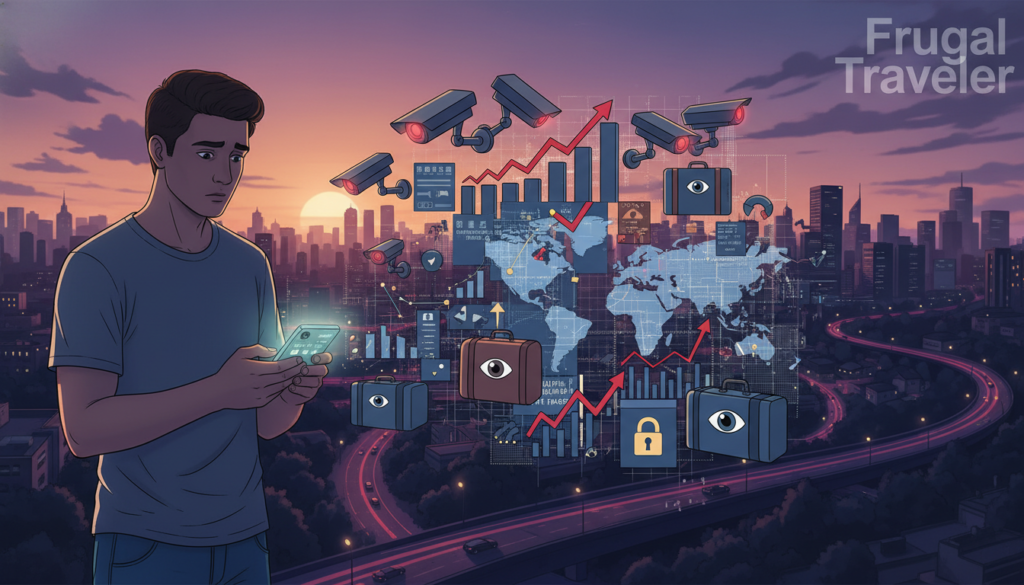
Driver monitoring systems track your location, speed, and braking. They promise safety but add a financial burden. Knowing about these systems helps you protect your data while traveling.
The table below shows how these technologies affect your wallet on a road trip:
| Technology Type | Data Collected | Financial Impact |
|---|---|---|
| In-Car Telematics | Driving behavior | Variable insurance rates |
| License Plate Readers | Geographic location | Automated toll/fine tracking |
| Connected GPS | Route history | Targeted service pricing |
| Mobile Apps | User preferences | Dynamic price adjustments |
I aim to show how these factors affect your budget. Staying informed is key to fighting digital surveillance. You can still enjoy the road if you manage your digital footprint well.
How Data Glitches Lead to Impound Fees and Legal Costs
A simple digital mistake can turn your relaxing road trip into a costly legal headache. I have found that automated license plate reader errors on road trips are becoming a silent threat to unsuspecting travelers. When a system misreads a character on your plate, it can trigger an alert that flags your vehicle as stolen or unregistered.
These technical failures often lead to immediate and stressful consequences. You might find yourself pulled over by law enforcement, only to face the shock of having your car towed and impounded. The resulting fees for storage and retrieval can quickly drain your vacation fund, leaving you stranded far from home.
Beyond the initial impound costs, you may face a long and expensive legal battle to clear your name. Dealing with automated license plate reader errors on road trips requires patience and documentation. I always recommend keeping physical copies of your registration and insurance in your glove box to help resolve these unfortunate technological glitches as quickly as possible.
Biometric Travel Data and Enhanced Border Security Partnerships
My travel plans now involve advanced biometric scanning. This is because governments are collecting biometric travel data to make entry easier and safer. My physical features are now used as a digital key for international travel.
Many countries are joining an enhanced border security partnership biometric requirements framework. This lets them share personal data to track people across borders. It’s worrying that my biological data is in a global database shared by foreign agencies.
At modern checkpoints, systems scan more than just my passport. They use facial recognition, iris scans, and fingerprints to check my identity. This biometric travel data helps track my movements and ensures I match my travel documents.
The table below shows the types of data collected and how they’re used by security agencies:
| Data Type | Primary Use | Security Level |
|---|---|---|
| Facial Recognition | Identity Verification | High |
| Fingerprint Scans | Criminal Background Check | Very High |
| Iris Recognition | Unique Identification | Maximum |
| Digital Signature | Entry Authorization | Moderate |
These systems aim for a smooth travel experience but cost personal privacy. I must remember that my biometric travel data is part of a global network. It’s designed to monitor travelers worldwide.
Strategies for Protecting Your Data While on the Road
Your next road trip should be about freedom, not about leaving a trail of data for third-party trackers. Keeping your personal info private is key. A few simple habits can help you keep your digital footprint small while exploring.
First, turn off Wi-Fi and Bluetooth when not in use. Many devices scan for signals, logging your location. By disabling these, you go dark to many tracking systems.
Also, use a VPN on your devices when on public networks. This encrypts your traffic, making it hard for others to track you. These small steps make a big difference in your security.
I’ve put together a list of tools and habits for travelers. These strategies help keep your data safe without spoiling the fun of your trip.
| Privacy Strategy | Primary Benefit | Ease of Use |
|---|---|---|
| Use a VPN | Encrypts data traffic | High |
| Disable Bluetooth | Prevents signal tracking | Very High |
| Use Privacy Browsers | Blocks third-party cookies | Medium |
| Offline Maps | Reduces location sharing | High |
By taking these proactive measures, you can enjoy your trip without worry. Staying hidden is the best way to keep your data private. Taking control of your digital footprint is key to a stress-free adventure.
Grocery Store Loyalty Card Hacks for Frugal Travelers
Traveling on a budget means finding smart ways to save at grocery stores. Many stores use special pricing for locals, not tourists. Knowing how to avoid dynamic pricing at grocery stores is key for saving money while traveling.
One trick I use is to give a local area code followed by 867-5309 at checkout. This often gets you the local rate, avoiding the higher prices for visitors.
These grocery store guest loyalty card hacks for travelers help you save more than just a few cents. They help you control your spending, keeping your food budget steady no matter where you are. Here’s how these small changes can add up to big savings on your trip.
| Item Category | Standard Price | Loyalty Price | Savings |
|---|---|---|---|
| Fresh Produce | $12.50 | $9.75 | $2.75 |
| Dairy Products | $8.20 | $6.40 | $1.80 |
| Snack Supplies | $15.00 | $11.25 | $3.75 |
| Beverages | $7.50 | $5.90 | $1.60 |
The Hidden Costs of 2027 Infrastructure Act Mandates
The 2027 Infrastructure Act is more than just fixing roads and bridges. It quietly adds to the cost of driving, with hidden travel costs that many overlook. While it aims to make roads safer, it also brings financial burdens for car owners.
The section 24220 infrastructure act car privacy part is a big concern. It requires vehicles to collect data, turning them into data-gathering devices. This means the government is making you pay for this surveillance.
These rules act like a “Surveillance Tax.” As cars get more tech to meet these laws, their prices go up. These hidden travel costs affect not just the initial cost but also ongoing fees for data and upkeep.
The future of car privacy is being shaped by these laws. As I deal with these changes, staying informed helps manage these costs. Knowing how section 24220 infrastructure act car privacy affects your budget is key to controlling your travel expenses.
Are You Being Targeted by Real-Time Price Hikes
Do travel sites know how much we’re willing to pay for our next trip? It seems like prices change every time we refresh the page. This is called surveillance pricing and it’s getting more common in retail and travel.
These systems watch our online activities to guess what we’ll do next. They use our location and browsing history to adjust prices on the fly. This dynamic pricing 2026 makes sure the price you see matches your urgency and budget.
Spotting these price hikes is easy if you compare prices on different devices. If you see a higher price on your laptop than on a friend’s phone, you’re being targeted. Clearing your cookies or using a private browser can show you the real, lower price.
To keep your wallet safe, use a VPN to hide your location. This simple trick stops retailers from raising prices based on where you are. Being careful about surveillance pricing helps you save money on travel.
Also, book your travel during off-peak times to dodge price hikes. The world of dynamic pricing 2026 is tricky, but you can fight back. With the right knowledge and tools, you can pay less for your next trip.
Why Protecting Your Digital Footprint is Essential for Frugal Road Trips
To keep your travel budget in check, protect your personal data like you would your wallet. A frugal road trip means avoiding extra costs. When your data is out there, you’re an easy target for price hikes based on your online activities.
Keeping your digital footprint safe is as important as guarding your passport. I see data security as key for today’s traveler. By focusing on travel privacy, you keep your spending habits private, not for sale to trackers.
Privacy doesn’t mean giving up the freedom of the road. It lets you enjoy your frugal road trip without price hikes from tracking. Simple steps like using private browsers and turning off location tracking can save you a lot.
Protecting your info is a step toward financial freedom on the road. When you get travel privacy right, you control your spending and plans. You should be able to travel without hidden digital costs.
Conclusion
The surveillance tax is a reality for every traveler today. It’s a reminder to protect our privacy on the road.
You can control how your data travels. Watch out for driver monitoring systems and dynamic pricing to save your money.
Before you hit the road, check your apps and devices. Turn off location tracking on your phone or use cash at gas stations. These small steps can make a big difference.
I want to help you enjoy your travels in the U.S. without losing your privacy. Protect your digital life to keep your road trips private, not a data hunt for companies.
Share your stories about these costs to help us all stay aware. Your voice is important in the fight for travel privacy and fair prices for drivers.


