

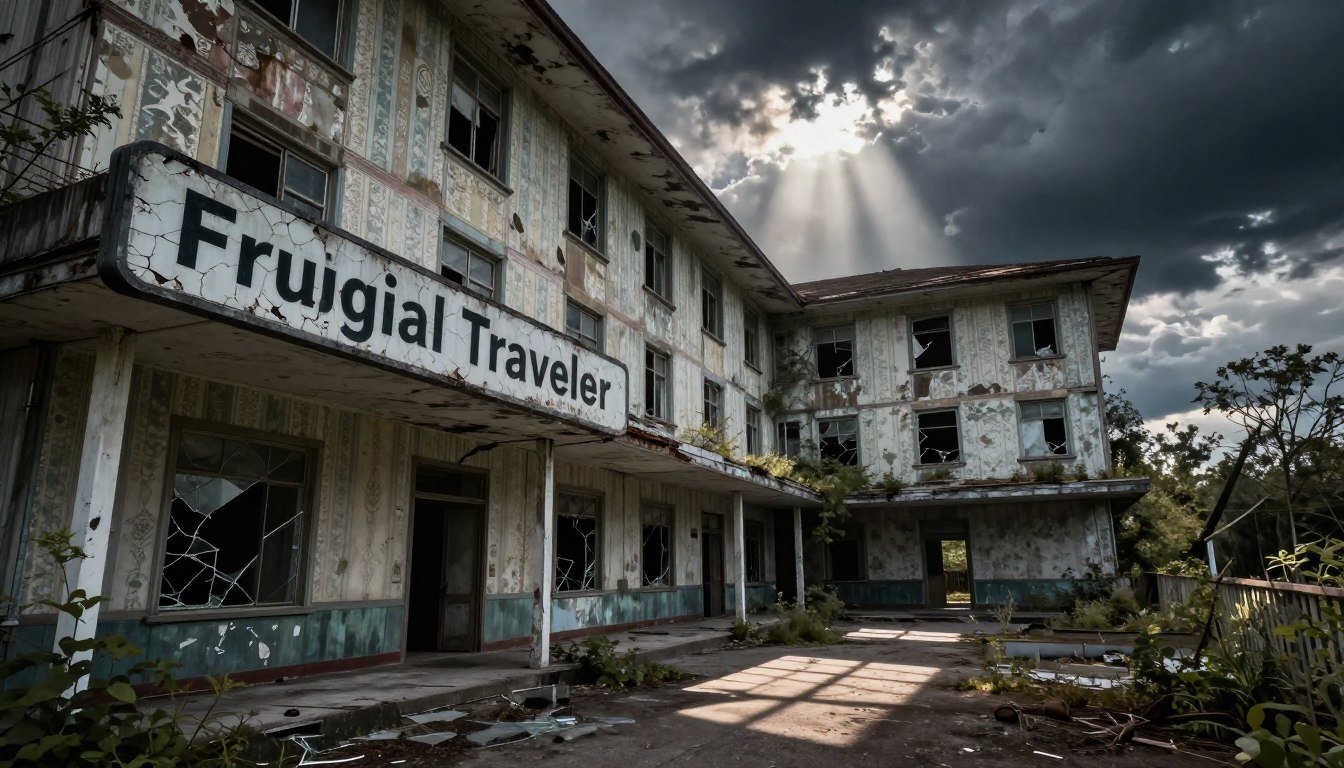
I once booked a “chic urban loft” that turned out to be a windowless basement. The mattress smelled of regret. The online photos were perfect, but reality was a lesson in digital deception. Welcome to the world of ghost hotels, where your dream vacation might be a photo.
Today, bad hotels use smart tech to hide their true selves. They reuse names and show off with great photos. This way, they avoid bad reviews that keep businesses honest. It’s a clever trick in OTA misrepresentation that confuses even the smartest travelers.
Whether it’s AI hotel scams or simple booking fraud, the aim is always the same. They want your money before you find out the truth. We’re exploring these travel scams to help you avoid them. Let’s make sure your next trip is worth the excitement.
Key Takeaways
- Understand how digital imagery masks poor property conditions.
- Learn to identify fake listings before you finalize your payment.
- Discover why popular platforms struggle to filter out deceptive entries.
- Get actionable tips to verify your stay beyond the glossy photos.
- Find out how to recover your funds if you fall victim to a bad listing.
Why Ghost Hotels Are Becoming a Modern Travel Scam
Welcome to the world of ghost hotels, where the photos are fake, and the disappointment is real. You might think you are booking a chic boutique stay, but you are actually walking into a digital trap.
Define a ghost hotel without confusing it with a closed property
A ghost hotel isn’t just a place that went out of business last week. It is a deliberately misleading identity created to siphon your money while giving you nothing in return.
These properties often exist only as a collection of stolen images and fake reviews. They are digital phantoms designed to look like legitimate businesses on your favorite booking apps.
Explain how online travel agencies create distance between travelers and the actual operator
Online Travel Agencies (OTAs) act as a massive middleman, which is great for convenience but terrible for accountability. By the time you realize the room is a disaster, the OTA has already taken its cut.
This distance makes it incredibly easy for shady operators to hide. You are booking through a screen, far removed from the person who actually holds the keys to your room.
Show why polished listings can conceal unsafe, rundown, or nonexistent accommodations
Many low-rated properties use AI-generated renders to make a dump look like a palace. They scrub their history by constantly changing their name, effectively erasing years of bad guest experiences.
These listings rely on the fact that you are too busy to cross-reference every single detail. They bank on your trust in the platform to keep you from digging deeper.
Distinguish ordinary hotel disappointment from deliberate OTA misrepresentation
There is a big difference between a hotel that just needs a fresh coat of paint and a property that is a total fraud. One is a letdown; the other is a calculated attempt to deceive you.
| Feature | Ordinary Disappointment | Deliberate Scam |
|---|---|---|
| Room Condition | Dusty or dated | Nonexistent or unsafe |
| Listing Photos | Old but accurate | AI-generated or stolen |
| Management | Unresponsive | Ghost operator |
| Review History | Mixed feedback | Wiped or fake |
When you encounter these travel scams, the goal is to keep you confused until the cancellation window closes. Always stay alert, because the internet is full of places that do not exist.
Ghost Hotels, AI Hotel Scams, Booking Fraud, Travel Scams, OTA Misrepresentation
If your hotel room seems too perfect, it probably is. We’ve all seen it: amazing photos online, but the real place is a mess. This is the dark side of travel, where ai hotel scams ruin your vacation plans.
How low-rated properties use AI-generated room images to escape poor reviews
Some owners don’t want to fix their places. Instead, they use synthetic imagery to make their rooms look great online. AI photos make their bad conditions seem perfect.
These fake photos trick travelers into booking. It’s a big scam, where the real place is much worse. You’re not just booking a room; you’re buying a dream that doesn’t exist.
How fake hotel names and renamed listings break the connection to historical complaints
When hotels get too many bad reviews, they change their name. This way, they can hide their past problems. You won’t see the bad reviews from before.
“The most dangerous travel scams are the ones that hide in plain sight, masquerading as fresh opportunities while burying a history of neglect.”
How property owners can exploit duplicate listings across booking platforms
Some owners list the same place multiple times. They use different names on different sites. This way, they can keep their bad reputation hidden.
Connect misleading descriptions, altered photos, and review fragmentation to booking fraud
These tricks together create a big scam. Here’s how it works:
- Misleading descriptions promise things that don’t exist.
- Altered photos hide the place’s real, often unsafe, state.
- Review fragmentation keeps the bad truth hidden from you.
This makes it hard for travelers to make a wise choice. It’s like playing a game where the scammer always wins.
How AI Renders Make Bad Properties Look Bookable
While browsing a booking site, you might think you’ve found a great deal. But, you could be looking at a digital fake. These ai hotel scams are getting more common. They turn a simple vacation search into a tricky game of “spot the fake.
Identify smooth surfaces, unnatural lighting, and repetitive furniture as visual warning signs
Looking closely at these images, you’ll see everything seems too perfect. Walls often look waxy or too smooth, lacking real imperfections.
Lighting is another clue. Real rooms have light that hits objects in natural ways. But AI creates shadows that don’t match the light source. If furniture looks like it was copied and pasted, it’s likely fake.
Explain common AI artifacts in beds, lamps, windows, artwork, and bathroom fixtures
Computers struggle with everyday object physics. Look for odd designs, like lamps that seem to melt into walls or windows with no view.
Check bed linens for strange patterns. Bathroom fixtures often have issues too, like faucets without plumbing or showerheads that defy gravity.
Compare a trustworthy hotel photo gallery with a gallery built from synthetic renders
A real hotel gallery shows different angles, like the lobby and exterior. It might even have a slightly messy room. If all photos look like they’re from a glossy magazine, with no signs of life, be wary.
| Feature | Trustworthy Listing | Synthetic AI Listing |
|---|---|---|
| Wall Textures | Natural, varied, slight wear | Waxy, overly smooth, plastic |
| Lighting | Consistent, logical shadows | Inconsistent, floating highlights |
| Decor | Unique, functional items | Repetitive, nonsensical shapes |
| Exterior | Visible street view | Missing or generic stock photo |
Warn readers not to treat high resolution or professional styling as proof of authenticity
Don’t let high-resolution images fool you. Professional styling and clear pixels are just tricks used by scammers. Knowing how to spot fake ai hotel listings is key to avoiding losing money to digital scams.
How Fake Names and Rebranding Hide a Property’s History
Some hotels don’t really close; they change their name to hide their past. These ghost hotels are experts at changing their identity to avoid bad reputations. It’s like digital witness protection for failed motels.
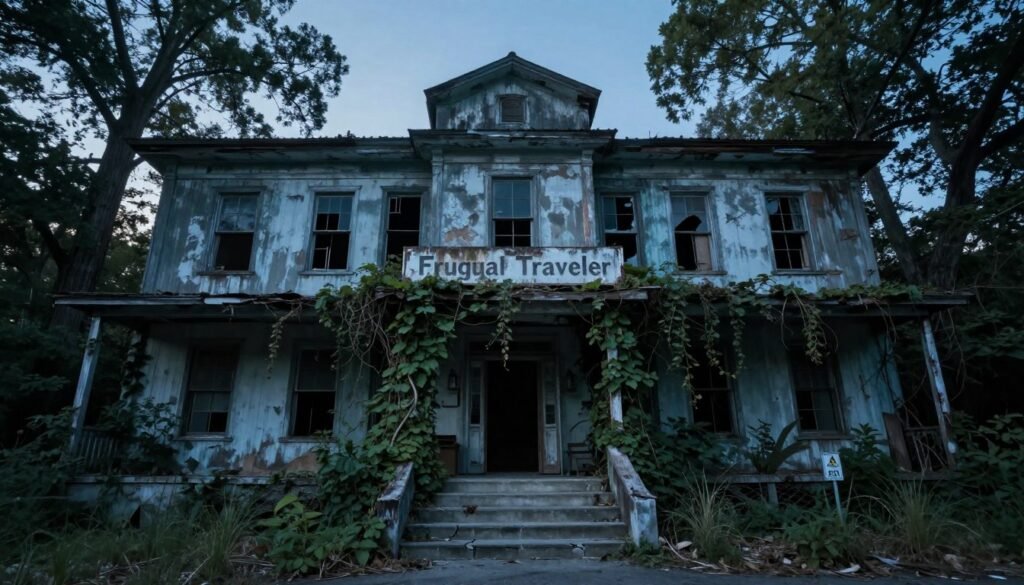
Trace how a property can appear under different names on Google, OTAs, and mapping services
You might see a hotel called “The Grand Plaza” on one site, but “Urban Stay Suites” on another. This is because different platforms use different data. It’s a clever trick to make you think you’re booking a different place.
Explain why removing a low-rated brand does not remove complaints about the physical building
Changing a name is simple, but fixing problems takes real effort. When owners erase their online history, they’re just hiding their past mistakes. The building itself remains the same, regardless of the new name.
Use address, phone number, ownership, and exterior details to connect renamed listings
To uncover the truth, look beyond the new name. Check the address, phone number, and building details. If the same owner uses the same info across different listings, it’s a sign of a ghost hotel.
Search old reviews for recurring descriptions of the lobby, rooms, parking lot, or surrounding block
Old reviews can be your best clue. Look for mentions of specific, unchangeable features. If you find the same descriptions from years ago under different names, you’ve found your ghost hotel.
| Feature | Trustworthy Hotel | Ghost Hotel |
|---|---|---|
| Listing History | Consistent for years | Frequent name changes |
| Contact Info | Matches official site | Vague or disconnected |
| Review Content | Specific to the brand | Generic or suspicious |
| Building Exterior | Matches street view | Hidden or stock photos |
The Las Vegas “Pallet” Listing as a Deceptive Booking Case Study
Imagine the internet thought a wooden pallet was a hotel room. It’s a weird joke, but for some, it was real and uncomfortable.
Reconstruct how the Las Vegas “Pallet” listing was presented to prospective travelers
The listing looked like a fancy hotel on booking sites. It featured bright photos and discussed a chic, minimalist aesthetic in the city center.
It seemed like a great deal to travelers. The price was good, the location perfect, and the pictures made you want to book fast.
Examine the difference between the listing’s visual promise and the accommodation travelers expected
But when guests arrived, it was different. There was no fancy furniture. Instead, mattresses were on pallets, unlike the online pictures.
The gap between what was promised and what was real was huge. The photos showed a modern place, but the room looked like a DIY project.
Explain why the OYO Pallet controversy illustrates the risks of renamed or fragmented hotel listings
The Las Vegas OYO Palace controversy shows how a hotel can change its name to hide bad reviews. By using different names on different sites, they can avoid bad feedback.
This makes it hard to know if you’re booking a good hotel or a rebranded one. It’s like a game with your money.
Separate documented listing details, traveler reports, and claims that require independent verification
Stay calm if things go wrong. Know the difference between what was promised and what you got.
“The internet is a wonderful place to find a deal, but it is also a playground for those who know how to manipulate the pixels to hide the truth.”
If you’re in this situation, use this hotel bait-and-switch dispute guide to gather your evidence. You need to be your own detective.
| Feature | Listing Promise | Traveler Reality |
|---|---|---|
| Bedding | Luxury Pillow-Top | Mattress on Pallets |
| Room Decor | Modern Minimalist | Unfinished Surfaces |
| Cleanliness | Professional Housekeeping | Visible Dust/Debris |
| Amenities | Full Service | Non-existent |
If the room doesn’t match the description, stop talking to the front desk. Start documenting. Your goal is to make a strong case that the booking platform can’t ignore.
How Aggregator Practices Can Amplify a Misleading Listing
Booking platforms are meant to help us find great places to stay. But sometimes, they act like a sneaky carnival trickster. You click on a listing, see a nice photo, and think it’s been checked out. Sadly, the truth is that these sites often prioritize getting more listings over ensuring they’re accurate.
The Illusion of Choice Through Duplicated Inventory
Ever seen the same room photo under three different hotel names in one area? It’s not a coincidence. It’s a trick called inventory fragmentation. Owners list the same room on many sites with different names to get more views.
This makes it hard to know a place’s real history. By changing names often, a property can erase its past. So, when you arrive, you might find a place that looks nothing like the pictures.
How Platform Features Nudge You Toward Trouble
Platforms use “badges” like “Top Rated” to make you feel good. But these badges don’t always reflect the building’s actual condition. When a site says it’s a “Limited Time Offer,” it tries to rush you into booking without doing your research.
The Las Vegas OYO Palace controversy is a perfect example. The gap between what’s promised online and what you find in real life is huge. The site’s design hides the bad stuff, making a bad motel look fancy.
Why Your Review Score Might Be a Total Lie
Review scores are only as reliable as the data they’re based on. When a property changes its name or splits its inventory, old bad reviews get lost. A hotel might have a low rating under one name but start fresh with a new listing.
This makes it hard to get a true picture of a place’s reputation. You might book a room with many hidden complaints under an older listing.
The Missing Pieces of the Puzzle
Aggregators often leave out important details. They rarely show the full building or mention recent changes that could affect your stay. Here’s what you’re likely missing:
- Exterior Conditions: The real look of the parking lot or entrance.
- Recent Changes: If the property was recently sold or rebranded.
- True Proximity: How far the property is from the landmarks shown.
| Feature | What You See | What You Miss |
|---|---|---|
| Room Photos | Staged, bright, AI-enhanced | Wear and tear, actual size |
| Hotel Name | Modern, catchy, new | Previous negative history |
| Review Score | Aggregated, potentially skewed | Specific, recurring complaints |
Spot AI Visual Artifacts Before You Pay
If a hotel room looks like it was designed by a robot with a fever dream, it might be a digital trap. Before booking, put on your detective hat. Learning how to spot fake ai hotel listings helps protect your vacation budget.
“The eye sees only what the mind is prepared to comprehend, but a suspicious mind sees the pixels behind the curtain.”
Check for warped edges, impossible reflections, inconsistent shadows, and distorted text
AI generators are getting better, but they struggle with physics. Look at furniture or door frames; if they seem to melt into the wall, it’s a scam. Check mirrors and windows for reflections that don’t match the room’s layout.
Shadows are a big giveaway. If a lamp casts light in two directions, or shadows under a chair don’t align, something’s off. Also, watch for text on signs or menus that looks like alien hieroglyphics.
Look for overly smooth textures on walls, linens, wood, tile, and upholstery
Real life is messy and full of imperfections. If every surface in the room looks too perfect, be skeptical. AI often creates smooth, plastic-like textures, like on bed linens or wooden floors.
If wood grain looks repetitive or tile grout is perfectly uniform, it’s a red flag. Real hotels have scuffs, worn edges, and unique patterns. When everything looks too perfect, it’s likely fake.
Treat missing exterior photos as a verification gap
If a listing shows a beautiful bedroom but no exterior photo, run away. A missing exterior photo is a warning sign. Scammers hide the building because it might be bad.
Compare room angles for identical furniture, repeated artwork, or inconsistent floor plans
Look at the gallery as a whole. If you see the same artwork in three rooms, or lamps that look like they were copied and pasted, it’s a scam. Check the floor plans for logic. If a window seems to be on a wall that should face an interior hallway, the room layout is likely a fantasy.
Check Whether the Address Belongs to a Budget Motel
Buildings rarely lie, making the address a key tool against travel scams. A website might look nice, but the building’s location is always true. To avoid ghost hotels, look beyond the photos and check the map.
Paste the complete street address into Google Maps and other mapping services
Start by putting the address into Google Maps or your favorite satellite view. Don’t just glance at the pin. Zoom in to see the actual building.
Compare the listing’s claimed brand, building shape, signage, and amenities with street-level images
After zooming in, compare what you see with the listing. Is the “luxury resort” really a big complex, or just a small building? Check the actual name on the sign, not the fancy title online.
Look for the amenities listed. If there’s no sparkling infinity pool but only a cracked lot and a vending machine, it’s a red flag. Always trust your eyes over the marketing.
Investigate addresses that match existing budget motels, extended-stay properties, or vacant buildings
Many scams use old, low-budget motels. They might even hide behind a vacant building’s address. If the place looks like it hasn’t been updated in decades, it’s likely a scam.
Watch for a listing that describes a resort while the address shows a roadside motel
It’s amazing how a roadside motel can be called a “boutique urban retreat” with fake photos. But the street view never lies. If the listing says it’s a high-end resort but it’s really a motel, run the other way. Your vacation budget is worth more than a digital dream.
Evaluate Brand-New Listings With No Verified Traveler Images
Finding a hotel with no guest photos is like entering a house that looks too perfect. It might be new, or it might hide something. The lack of photos can make you feel a bit unnerved.
Understand why a new listing is not automatically fraudulent
Just because a property is new to a booking site doesn’t mean it’s a scam. Real hotels open every day and start online somewhere. A lack of history often means the business is new to the digital world.
Assess the risk when a property has only studio images and no guest-uploaded photographs
Studio images alone can be a problem. If there are no real photos, you should be cautious. These images aim to sell a dream, not show the real carpet or view.
Check whether reviews belong to the current property name, address, and management
Some “new” listings are actually old, bad properties trying to hide. Always check the address and management. If the building has a bad history under a different name, it’s likely a rebranded disaster.
Use a missing review history as a reason to verify more, not as proof of authenticity
A missing review history is like a yellow light. It’s not a stop sign, but a signal to slow down. Use this chance to check the property’s location and ownership before paying.
| Feature | Legitimate New Hotel | Potential Travel Scams |
|---|---|---|
| Review History | Empty (New Opening) | Empty (Rebranded/Hidden) |
| Photo Quality | Professional + Guest Snaps | Only Stock/AI Renders |
| Address Check | Matches Official Site | Matches Budget Motels |
| Management | Transparent/Verified | Anonymous/Hidden |
Build a Verification Checklist Before Booking
Booking a trip should be exciting, not a risk to your wallet. It’s important to know how to spot fake ai hotel listings. By following a simple process, you can keep your money safe and your trip enjoyable.
Record the exact property name, address, phone number, and cancellation terms
Start by jotting down important details. Write down the exact name of the property, its address, and phone number. If the listing doesn’t have a clear phone number, it’s a warning sign.
Check the cancellation policy carefully. If it’s too strict or hard to understand, don’t book. Transparency is key to avoiding scams.
Save screenshots of the listing, room category, amenities, taxes, and total price
Take screenshots of everything. This includes the room type, amenities, and total cost. It’s a paper trail for later use if needed.
Compare the OTA listing with the hotel’s direct website and major mapping platforms
Don’t just trust what the Online Travel Agency says. Open a new tab and search for the hotel’s official website. Check if it’s listed on major mapping services. If it’s not there or the address is wrong, it might be a ghost hotel.
Confirm that the room type shown in the reservation exists at the stated property
Be sure the room type you’re booking is real. If the photos seem too perfect, they might be fake. Knowing how to spot fake listings can save you from a bad experience.
Reverse-Search the Room Gallery
Think your detective skills stop at checking the star rating? Think again. In the wild west of online travel, how to spot fake AI hotel listings is a must-know before booking your next trip.
Run reverse image searches on the lobby, bedroom, bathroom, and exterior photographs
Most of us just scroll through photos like we’re window shopping. But, take those images and run them through a reverse image search engine. If the lobby looks like a Dubai resort but the address is in Nebraska, you’ve found a red flag.
Check whether images appear on stock-photo sites, unrelated hotels, or multiple cities
Some property owners are lazy and steal photos from stock sites or other hotels. If you see the same Eiffel Tower view in three cities, it’s likely booking fraud. These digital ghosts count on you being too tired or excited to notice.
Crop individual photographs to search for furniture, architecture, and distinctive design elements
When whole-room photos don’t trigger a hit, zoom in. Crop that weird lamp, the rug pattern, or the bathroom tiles. Often, these small details reveal a fake listing’s true nature.
Preserve search-result screenshots when an image appears to be copied or AI-generated
If you find a match that proves the listing is fake, take a screenshot right away. These listings often disappear or change when questioned. Having proof is your best defense if you need a refund.
| Feature | Authentic Hotel | Suspicious Listing |
|---|---|---|
| Image Source | Original, unique files | Stock photos or AI renders |
| Consistency | Matches local geography | Vague or impossible views |
| Details | Wear and tear visible | Unnaturally perfect surfaces |
| Search Result | Unique to the property | Found on multiple sites |
Cross-Check Street View and Call the Front Desk
Before you pack your bags, take a digital walk down the street. Websites can be misleading, and ghost hotels might be hiding in your favorite apps. It’s time to be more than just a traveler. Start acting like a detective.
Use Google Street View to compare signage, entrances, parking areas, and building exteriors
Open Google Street View and drop the yellow person on the address. You’re looking for the actual building, not the website’s version. If the sign and your booking don’t match, it might be a case of ota misrepresentation.
Look at the parking lot and entrance. If it looks abandoned, it’s probably not a good sign. A run-down exterior usually means a bad inside.
Call the front desk using a phone number found independently of the suspicious listing
If you’re unsure, don’t use the booking site’s phone number. Search for the hotel’s official website or a verified listing. Calling the front desk directly is the best way to check.
When you talk to someone, ask about your reservation. If they seem unsure, you might be dealing with a middleman.
Ask whether the property name, room type, amenities, and reservation platform are accurate
Be clear with your questions to avoid OTA misrepresentation. Ask if they know the booking platform you used. If they don’t, or if they don’t offer the amenities listed, cancel right away.
Request confirmation of accessibility features, operating hours, deposits, and emergency contact procedures
Don’t hesitate to ask for the details. Confirming things like accessibility and deposits can save you trouble. If they can’t answer clearly, it might be a ghost hotel looking to take your money.
| Feature | Listing Promise | Reality Check |
|---|---|---|
| Property Name | Luxury Boutique Hotel | Budget Motel |
| Parking | Private Secure Garage | Street Parking Only |
| Accessibility | Full ADA Compliance | No Elevator Access |
| Front Desk | 24/7 Concierge | Unattended Kiosk |
Document the Property Before Check-In
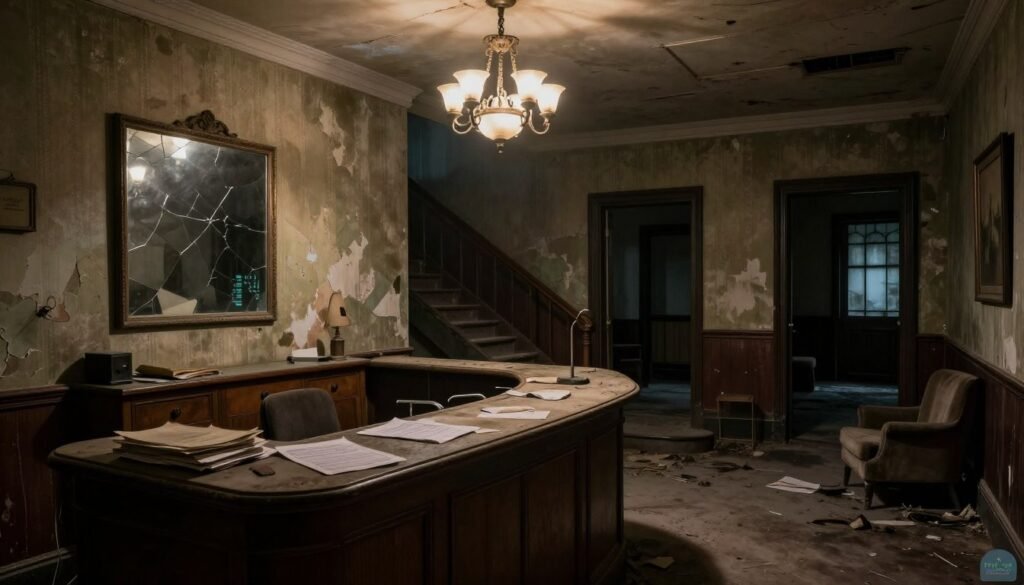
Arriving at your “dream” hotel, you find it’s more like a horror movie. Before you unpack, start investigating. This hotel bait-and-switch dispute guide will help protect your money and sanity.
Photograph the building, entrance, room, bathroom, furnishings, and visible safety conditions
Begin by taking photos of the building and lobby. If it looks like a construction site, capture it all. Then, check your room for stains, broken items, or missing features.
The bathroom is key, as bad hygiene often hides here. Take clear photos of the shower, sink, and any mold or pests. These photos are your primary evidence if you need to file a complaint.
Capture timestamps, address markers, reservation details, and communications with the property
Your photos need to be verified. Make sure your camera includes date and time stamps. If not, take a screenshot of your phone’s clock next to the room number.
Save your reservation confirmation and any emails with the property. Note the name and time of any front desk conversations. This detail is vital for any hotel bait-and-switch dispute guide.
“Travel is the only thing you buy that makes you richer, unless you book a ghost hotel, in which case it just makes you poorer and significantly more stressed.”
Compare on-site evidence with the listing’s promises before unpacking or accepting the room
Before settling in, compare the listing with what you see. If the listing promised a pool that’s now a swamp or a view that’s actually a wall, you have a case.
| Evidence Category | What to Capture | Why It Matters |
|---|---|---|
| Visual Proof | Wide shots & close-ups | Proves condition mismatch |
| Documentation | Timestamps & receipts | Establishes timeline |
| Communication | Names & messages | Shows failed resolution |
Avoid trespassing and prioritize personal safety when documenting a disputed accommodation
While documenting, remember to prioritize your safety. Don’t enter restricted areas for photos. If you feel threatened, leave and find a safe place to continue your hotel bait-and-switch dispute guide.
Invoke an OTA Emergency Relocation Guarantee
Imagine arriving at what you thought was a luxury suite, only to find it’s tiny with a dumpster view. This is a clear case of OTA misrepresentation. You don’t have to accept it. If your room is unsafe, dirty, or doesn’t exist, you must act fast.
Contact the booking platform immediately when the property is unsafe, unavailable, or materially different
Don’t argue with the front desk staff. They can’t help you. Instead, call the customer support on your booking app. Report the issue right away to get the best help for your hotel bait-and-switch dispute guide.
Use clear language such as “services not as described” and identify each failed promise
When you talk to a customer service rep, be direct. Say “services not as described” to start their quality check. List all the problems, like missing features or a fake ocean view.
Request relocation, a full refund, transportation assistance, and written case confirmation
You’re not asking for a favor; you’re demanding what you paid for. Ask for a full refund and a new room. If you need an Uber, ask for that cost too. Always get a written case confirmation number for proof later.
Escalate through the OTA’s emergency or trust-and-safety channel instead of relying only on the property manager
Property managers might try to stall you. Ignore them. Push for the OTA’s trust-and-safety team to handle your case. They can override policies and solve your problem.
| Action Step | Standard Support | Emergency/Safety Channel |
|---|---|---|
| Response Time | 24-48 Hours | Immediate |
| Authority Level | Basic Refund | Full Relocation |
| Documentation | Email Only | Case ID & Follow-up |
| Outcome | Partial Credit | Full Refund + Rebooking |
File a “Services Not as Described” Credit Card Chargeback
If your dream vacation turned into a nightmare, it’s time to take action. Dealing with booking fraud is tough, but getting your money back is worth it. You don’t need to be a lawyer to win; just be organized.
Ask the card issuer which dispute category applies to a materially misrepresented hotel stay
When you call your bank, don’t just ask for a refund. You need to speak their language. Ask about the “Services Not as Described” category.
Most major credit card issuers have rules for when a merchant fails to deliver. Be clear that this isn’t just about not liking the decor. You’re reporting a major failure of the contract between you and the booking platform.
Assemble the reservation confirmation, listing screenshots, photographs, messages, receipts, and relocation records
Your evidence package is your strongest weapon. If you don’t have receipts, the bank won’t take your side. Put everything you have in one folder before you call:
- The original reservation confirmation shows the promised amenities.
- Screenshots of the listing that lured you in.
- Photographs of the actual, disappointing room or building.
- Any messages or emails sent to the property or the booking site.
- Records of your emergency relocation or extra expenses incurred.
Explain the specific difference between the purchased accommodation and the service delivered
When you present your case, focus on the facts. Avoid emotional outbursts, even if you’re angry. You want to highlight the gap between the marketing and reality.
“The listing promised a luxury suite with a city view and private parking, but the property provided a windowless basement room in a building that lacked basic security.”
This clear comparison makes it easy for the bank to see that you were misled. It turns a subjective complaint into a clear case of booking fraud.
Follow the issuer’s deadlines and submit a factual timeline without exaggerating unverified allegations
Banks have strict windows for filing disputes, so don’t wait. Create a simple, chronological timeline of events. Stick to what you can prove with your documentation.
Accuracy is your best friend here. If you start making wild, unverified claims, you lose credibility. Keep it professional, keep it factual, and let your evidence do the heavy lifting for you.
Conclusion
Think your vacation plans are set? Think again. The digital world is full of tricks. Ghost hotels lure you in with pretty pictures, not real facts.
The Las Vegas OYO Palace controversy is a warning. What looks good online might not be real. Scammers use fake names and AI pictures to trick you.
Before booking, check the facts. Look for red flags in photos, search online, and map the address. A quick call to the front desk can save you trouble.
Got a bad situation? Document it all with your phone. Keep your receipts. You can fight back and get what you paid for.
Stay alert and protect your vacation time. Don’t waste it on a fake room. Enjoy your travels and get the rest you need.


