

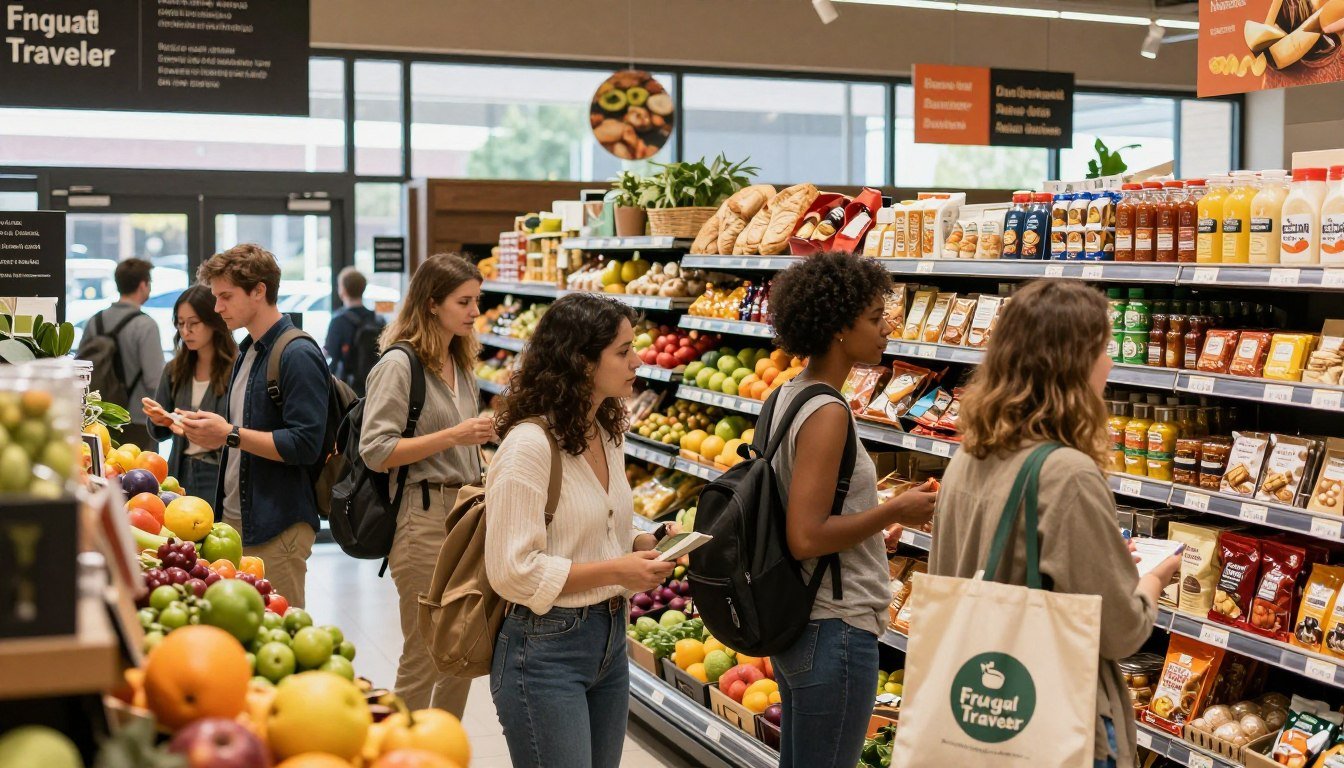
I can’t believe this is a thing, but it’s absolutely a thing: turning your most boring errand into a travel flex and a financial life raft.
I first tried this on a quick trip to Portland—picked a market, bought local cheese and bright orange kumquats, and cooked dinner in my Airbnb. It saved me cash and became the best part of the night: food, stories, and people asking where I got the weird citrus.
Hilton’s 2026 report says 77% of travelers enjoy grocery store tourism, and 48% cook their own meals on holiday. So yes, this is a real thing many Americans are doing this year.
Why care? Food is where a trip can become a money sink fast. Swap one meal and the math changes. This article promises to show you what grocery store tourism is, why it’s exploding as a travel trend 2026, and how to do it without becoming the person packing a skillet in a carry-on.
You’ll get practical tips on market-first planning, booking kitchen-ready stays, what to buy and cook, and how to share the experience so it feels meaningful—not like a spreadsheet obsession. Expect cost savings, cultural immersion, and social-media-ready moments—no chef skills required.
Key Takeaways
- Grocery store tourism is a rising way to save money and meet locals.
- Hilton reports show strong interest from modern travelers.
- Swapping one meal can change your trip budget fast.
- Practical tips will cover planning, packing, and what to cook.
- This guide is US-focused and realistic for real people.
What grocery store tourism means for travelers right now
Instead of a museum, I once spent an afternoon wandering a neighborhood market and left with dinner plans and three new conversations.
Plain English definition: this form of tourism is simple: you build part of your trip around supermarkets, local markets, and corner shops so you can eat like locals, save cash, and notice daily life hidden in aisle 6.
“Supermarket safaris” and market-first itineraries
Supermarket safaris are lightweight plans. Pick one store per stop, grab a few staples, and let the shelves teach you what people here actually eat.
How this differs from restaurant-led culinary outings
Traditional culinary tourism often equals reservations, tasting menus, and Instagram-ready plating. This approach is quieter. It feels like borrowing a routine, not watching a performance.
- You can still splurge at restaurants. This is about choosing which meals to save and which to savor.
- If you can shop, assemble, and eat, you can do this—no chef training required.
Why grocery store tourism is a travel trend 2026 can’t stop talking about
I started noticing this trend after snapping a photo of a weird local soda aisle and getting a flood of DMs asking where I found it. That little moment explains the logic: quick novelty, easy stories, instant shareability.
Hard data backs the hype. Hilton found 77% of travelers enjoy this idea and 48% actually cook on holiday. Skyscanner calls it “Shelf Discovery,” with 35% planning to shop locally as part of their trip.
TikTok fuels the fire: 50+ million posts turn aisle hunts into bite-size content. People love the before/after taste tests, price checks, and packaging quirks. It’s snackable, visual, and oddly intimate.
“Purpose-driven trips—Hilton’s ‘whycations’—are making routine acts feel meaningful.”
So why now? The year has pushed many of us to want deeper connection and smarter spending. This trend blends authenticity with affordability and gives you repeatable experiences that don’t need a reservation.
- It’s cultural immersion without the pretense.
- It saves money while creating stories.
- It fits how people share moments online.
Who benefits most from this budget travel approach
If you like saving cash without feeling like a cheapskate, this way of eating on the road is your stealthy superpower. It works for lots of people, depending on how you like to move and eat.
Solo travelers, families, and multigenerational trips
Solo travelers often want decent food without the weirdness of dining alone every night. This gives you control and fewer awkward table-for-one moments.
Families and multigenerational groups? Feeding everyone is a full-time job. A quick run can quiet hangry kids and save you serious cash on meals. For a family, that day-to-day saving adds up fast.
Road-trippers, city-breakers, and longer stays
Road-trippers love the “grab-and-go” option: snacks, drinks, and emergency food that keeps the engine of the trip humming. City-breakers can stock a few basics and avoid tourist-price traps between museum stops.
Longer stays and remote workers get the best payoff: a few staples make a place feel more like home, not a pastry loop until you collapse.
Wellness-minded travelers
If you prioritize wellness, having ingredient control is a game changer. Predictable meals mean less stomach roulette and more energy for whatever adventures your journeys include.
- Flexible: Try it for one day or weave it into whole trips—whatever helps you function like a human.
- Practical: Saves money, keeps routine, and preserves the joy of eating well while you’re away.
How grocery store tourism helps cut food costs without sacrificing experience
Quick truth: small swaps make big savings. Replace one restaurant meal per day with a simple market dinner and you keep money for one truly memorable night out.
Replace one restaurant meal per day with a simple grocery meal
I’m not talking about ramen from a microwave. Think local bread + cheese, a ready-made salad, or hot-bar picks that feel intentionally chosen.
- Simple meal examples: regional cheese, fresh fruit, deli slices, and a roasted-vegetable salad.
- One swap per day trims your average food spend dramatically without killing the fun.
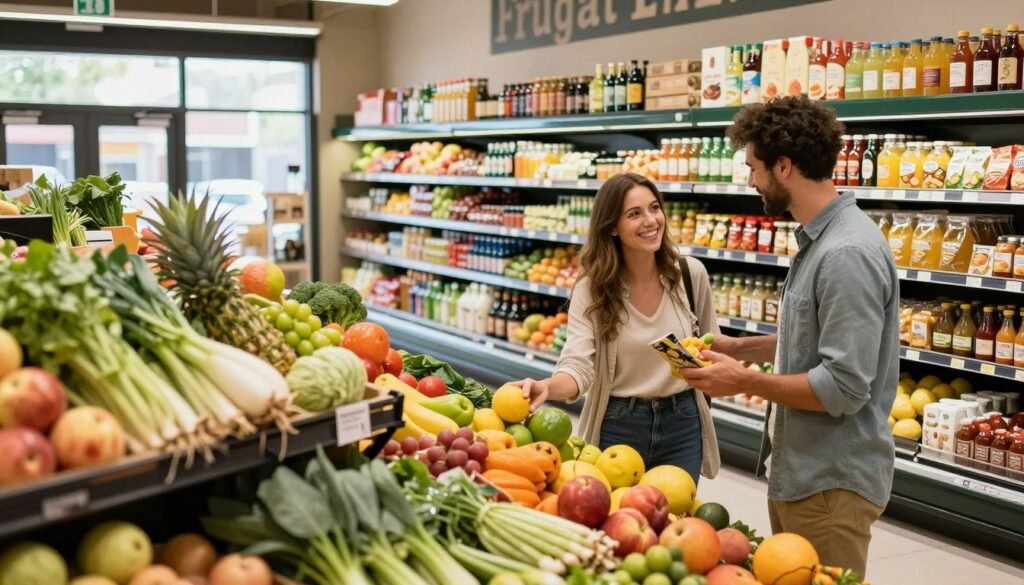
Smart splurges: save on basics so you can spend on one standout meal
Save on breakfast and snacks so you can book one great restaurant night. Buy coffee and pastries for mornings, then enjoy a big dining experience guilt-free.
The point: cut little costs to fund one feast that actually feels special.
Hidden budget wins: breakfasts, snacks, drinks, and packed lunches
Drinks at restaurants are a silent wallet killer. Grab bottled water, local seltzer, or flavored drinks at the market.
- Pack lunches for museums — skip overpriced café sandwiches.
- Use market snacks to bridge museum-to-museum hunger pangs.
Bottom line: this way you keep the joy of eating out while controlling costs. The goal isn’t deprivation; it’s control so your one big meal feels earned.
Authenticity on a receipt: what supermarkets reveal about local culture
Walk into a local supermarket and you’ll find the region’s story tucked between aisle signs and bargain bins. My receipt reads like field notes: brands, portion sizes, and the odd snack that proves you are somewhere specific.
Regional staples, seasonal produce, and “only-here” flavors
Look for seasonal fruits, signature cheeses, and branded sauces you’ve never seen before. These items show what grows nearby and what the people in this region actually eat when no one is watching.
Portion sizes, meal rhythms, and what locals actually buy for dinner
Packaging tells a story: family packs mean group dinners; single-serve bites hint at late-night snacking. Pay attention to timing—big ready-meals near evening suggest typical dinner hours.
Reading labels and learning food customs without a guided tour
Decode ingredients: allergens, sweeteners, and what marketers call “healthy.” This low-effort homework teaches you a country’s taste priorities and day-to-day life.
- Quick tip: buy one “only-here” snack to taste the destination without a full restaurant meal.
| Clue | What it means | How to test |
|---|---|---|
| Seasonal produce | Local agriculture | Buy one item raw |
| Portion size | Meal rhythm | Check family vs single packs |
| Label ingredients | Taste & health trends | Compare two brands |
The social media factor: turning grocery runs into shareable travel moments
Some of my best trip souvenirs are ten-second clips of weird snack labels and a stranger’s shocked face when I try them on camera. These tiny, true moments perform insanely well online because they feel real and easy to copy.
What to film and quick format ideas
Keep it short. Aim for aisle tours, blind taste tests, and quick price checks. TikTok has 50+ million posts showing why this content pops: it’s relatable, low-effort, and oddly intimate.
- Aisle walkthroughs — highlight packaging or odd local brands.
- Taste tests — genuine reactions sell better than scripted lines.
- Price check — compare local vs. tourist prices in one clip.
- Mini-formats: “5 things I only found here,” “$10 picnic,” or “rate the chip flavors.”
How to be respectful while filming
Don’t film workers or close-up shots of other people. Ask permission if you need shots of staff or private displays.
“Assume filming isn’t allowed unless someone says yes—nothing kills a reel faster than being told to stop.”
| Action | Why | How |
|---|---|---|
| Aisle tour | Shows local products | Slow pan, 15–30 sec |
| Taste test | Relatable reaction | Use captions; no overacting |
| Price compare | Quick value insight | Show receipt or numbers |
Remember: be kind, keep aisles clear, and treat the place like you’d treat a neighbor’s living room. These small moments can outlast any museum selfie.
How to plan a trip around grocery store tourism without overplanning
If you hate rigid plans but love good snacks, here’s how to build an itinerary that actually breathes.
Choose a neighborhood base near a supermarket and a local market
Pick an Airbnb or hotel that puts you within a 10–15 minute walk of both a supermarket and a local market. That keeps food logistics simple and saves you a commute when you get hungry.
Build a flexible “store-to-street” walking route for each destination
Start at your anchor stop, grab picnic supplies, then wander to a park, waterfront, or viewpoint. One store visit per city can be enough to score a memorable meal and a few stories.
Time your visit: mornings for markets, evenings for markdowns
Mornings = best selection and the freshest finds. Evenings = markdowns on ready-to-eat items that make cheap, tasty dinners.
- I’ll show how to plan this without color-coding your life (unless that’s your thing).
- Keep one anchor stop and let the rest of the day happen around what you find.
- This is a low-effort way to make any destination feel local — and enjoyable.
Book smarter: accommodations that make cooking on vacation easy
Finding a place with an honest-to-goodness stove is the secret to enjoying at least one home-cooked meal each day without feeling like you brought your entire kitchen in a carry-on.
Not all listings mean the same thing. Read listings like a tiny detective: photos, amenities, and guest reviews tell the real story.
What to look for in hotels, aparthotels, and short-term rentals
Check for a real cooktop, a decently sized fridge, and a proper sink. A “kitchenette” can be anything from full gear to a sad counter with a microwave.
- Hotels: ask if rooms include kitchen facilities or if a room-service-only label applies. Confirm stove access.
- Aparthotels: usually the best mix of service and a full kitchen—great for guests who want some hotel help plus cookware.
- Short-term rentals: look for photos of pans, plates, and a table where you can actually eat like a person.
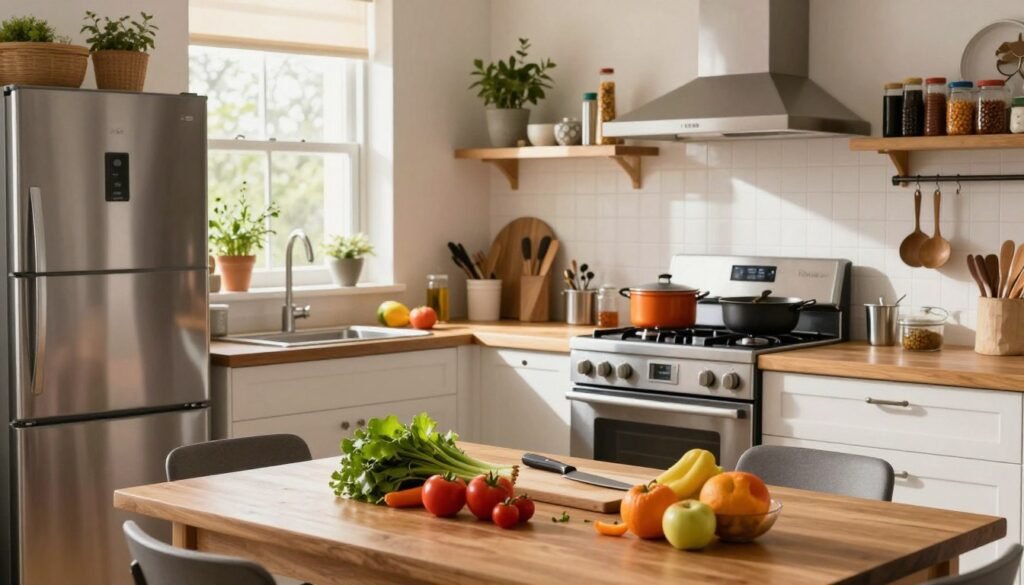
Kitchen essentials checklist for stress-free meals
- Cutting board, one decent knife, can opener
- One pan, one pot, basic spatula or spoon
- Plates, cups, forks, dish soap and a sponge
- Microwave + functional stove (verify both) and a small table to eat at
How to confirm kitchen access before you book
Zoom images, read the fine print, and message the host or front desk with direct questions like “Is the stove fully functional?” or “Are there pots and plates?”
Don’t get fooled by vibes: if the listing calls something a kitchenette, ask for a photo of the cooking surface and the fridge interior.
| Type | Typical setup | Good for |
|---|---|---|
| Hotels | Often none or limited | Short trips, convenience service |
| Aparthotels | Full kitchen + hotel service | Guests wanting comfort + help |
| Short-term rentals | Varies widely | Longer stays, feel like home |
The payoff: a real setup saves money on meals, makes trips comfier, and helps you feel a little more like home while you’re away.
Where to shop like a local: markets, supermarkets, and corner stores
Hit a local market first and you’ll get a short course in what people actually eat here.
When a farmers market beats a supermarket for freshness and value
The farmers market wins when produce is in season and prices aren’t inflated by “artisan” packaging.
Buy: fruit, leafy greens, cheeses and single-serving snacks for immediate meals.
Why it matters: peak-season items taste better and can cost less than similar supermarket options.
How convenience shops fit in places like Japan and Thailand
In some countries, corner outlets are a cultural attraction. Think 7-Eleven runs in Tokyo or Bangkok.
They sell perfect onigiri, hot sandwiches, and oddly great desserts. These spots save time and spark small adventures.
What to buy at each stop: produce, pantry staples, and ready-to-eat foods
- Market: regional produce, snacks unique to the destination, small-batch items.
- Supermarket: pantry basics, breakfast supplies, and bulk bargains for longer stays.
- Convenience store: late-night meals, single-serve treats, and cheap picnic gear.
“Shopping like a local isn’t just about saving money—it’s the fastest way to learn how people live.”
| Place | Best for | Quick buy |
|---|---|---|
| Farmers market | Freshness & local flavor | Seasonal fruit, cheese |
| Supermarket | Variety & staples | Milk, coffee, pasta |
| Corner store | Convenience & surprises | Ready meals, snacks |
Practical tip: shop small and often so you don’t end up lugging yogurt across a city. Do this and you’ll save cash, eat better, and collect tiny lessons about the country you’re visiting. It’s a simple, delicious way to see a place.
What to cook on the road: easy meals with regional ingredients
Mornings on the road are easiest when you skip recipes and assemble a breakfast that tastes like the place you woke up in.
No-recipe breakfasts that save the most money
Local yogurt, fruit, a loaf of bread, boiled eggs, or oats with a native jam make fast, cheap morning wins. Pick one unique spread and you’ve bought a story for under five bucks.
One-pan dinners for tiny kitchens
Sauté vegetables plus a protein, toss in pasta with a regional sauce, or make a rice bowl. One pan, one lid, one happy cleanup—replace one restaurant meal per day and the savings add up.
Packable lunches for museum days
Build sandwiches with regional cheese or cured meat, snack boxes with nuts and fruit, or a simple salad in a reusable container. These stop hanger-fueled decisions on any day of your trip.
Kid-friendly options for family travel
Keep it simple: plain pasta, quesadilla-style melts, sliced fruit, and a familiar snack plus one “adventure” item to make kids curious.
Food safety basics in unfamiliar kitchens
Check fridge temp, keep raw and cooked separate, reheat thoroughly, and toss leftovers you doubt. Your wellness matters more than salvaging a sad takeout.
Edible souvenirs and pantry products worth bringing home
Souvenirs that actually get used? Yes — edible ones make way more sense than another magnet. They remind you of a place every time you open the pantry, and they beat dusty trinkets for usefulness.
What packs well: snacks, spices, sauces, and sweets
Packable winners are sealed and shelf-stable: chips and local candies, vacuum tins of tea or coffee, spice blends, bottled sauces, and jarred preserves.
- Small jars of jam or chutney — easy to stash in a carry-on.
- Dry spices or vacuum-sealed coffee — big flavor, little weight.
- Wrapped sweets and snack packs — instant nostalgia back at home.
What not to buy if you’re flying back to the United States
Skip fresh produce, meats, and anything unsealed. Those items invite customs headaches and landfill guilt. If it needs refrigeration, leave it for local friends or your hotel kitchen.
How hotels and on-site markets are leaning into edible keepsakes
Booking.com data shows many guests — 68% — would consider pantry items or design-led kitchenware on holiday, and 55% might choose a destination for those goods. Smart hotels are listening.
Example: The Newt in Somerset has an on-site market with local jams and ciders. More hotels now stock curated mini-markets so guests can buy small, local products at checkout.
Souvenir strategy: buy a few small items rather than one giant jar. That way you bring the place home without needing a second suitcase. These little tastes make for big memories.
Rules and logistics for U.S. travelers bringing food back from abroad
Customs lines are the real mood killer, so learn the rules before your edible haul becomes airport drama. I’ll keep this short and useful.
Declare it or regret it
The simplest rule: when in doubt, declare. Honesty beats a fine and an awkward lecture from the customs service.
Why: undeclared food can trigger inspections, delays, and penalties for visitors who thought a snack was harmless.
Why fresh produce and meats are risky
Fruits, vegetables, and meats can carry pests and disease. Bringing them in can threaten local farms once you’re entering the country.
Confiscation is common and totally avoidable. Buy sealed items instead.
Packing fragile items: carry-on vs checked
Fragile cookies, chips, and pastries travel best in your carry-on with padding. Heavy jars and bottles go checked, wrapped in clothing and tape.
Leave room for last-day buys; long connections and heat are a bad combo.
- Safer categories: commercially sealed, shelf-stable items.
- Packing checklist: zip-top bags, tape lids, bubble wrap or socks, and airtight seals for aromatic sauces.
| Item type | Recommended action | Why |
|---|---|---|
| Fresh produce/meat | Do not bring / declare if unsure | Risk of pests; often confiscated |
| Sealed snacks & spices | Carry-on or checked | Allowed if commercial packaging intact |
| Fragile baked goods | Carry-on with padding | Less crushing; quicker access at security |
| Liquids & sauces | Checked with leak protection | Passes size rules; reduces spills |
“Declare first — the small bit of paperwork saves you time and stress at the airport.”
Best destinations for grocery store tourism in 2026
Great trips hide inside ordinary aisles; the right destination turns a quick run into an adventure. Below are practical picks that mix authenticity, affordability, and pure snackable fun.
Iconic convenience-culture: Japan and Thailand
Japan and Thailand are basically the Olympics of grab-and-go food.
From perfectly wrapped onigiri to hot, sweet convenience bites, these countries let you build a whole snack tour without trying. You can sample dozens of items on one afternoon and still have room for dinner out.
Europe for regional specialties: Italy and beyond
Italy’s supermarkets give you regional surprises—different Nutella formulations, local cheeses, and sauces you won’t see elsewhere.
Beyond Italy, try Prague, Krakow, Budapest, or Sofia for great value and distinctive pantry finds.
Affordable, culture-rich city breaks
Eastern European cities are highlighted in year reporting for offering big flavor at low cost.
They’re ideal if you want a short trip that feels rich without emptying your wallet.
Domestic U.S. options: neighborhoods that tell a story
Pick immigrant-rich neighborhoods, historic markets, or small-city districts. These areas act like a mini destination: walkable, full of ready-to-eat options, and easy to explore on foot.
| Type | Why go | Example |
|---|---|---|
| Convenience-culture | Snack variety & late-night access | Tokyo, Bangkok |
| Regional specialties | Unique pantry items | Florence, Naples |
| Affordable city breaks | Value + local markets | Prague, Krakow |
Quick pick rule: choose destinations with strong local food culture, walkable neighborhoods, and plenty of ready-to-eat finds. You don’t need the “best” place—just one that makes small, delicious discoveries easy.
How this trend fits into bigger 2026 travel shifts
Short version: what used to be a quirky hack is now a neat fit for the bigger changes reshaping how we go away. People want fewer, richer trips. They want comfort and something that actually feels like theirs.
Intentional travel and fewer-but-better trips
Hilton calls it the year of the “whycation”: purpose-driven planning. That means you pick one meaningful experience and protect the rest of your day for low-effort routines that add texture to the trip.
Social-media “trendification” and viral demand
Viral clips shape where people go and what they buy. Cute clips make destinations pop, and that attention funnels real foot traffic. It’s part curiosity, part marketing—and yes, it changes local supply and the trends people chase.
Comfort, personalization, and home-like routines
Keeping small daily rituals gives trips more ease. You control meals, manage dietary needs, and still explore. It’s not anti-luxury; it’s pro-choice: you decide where to splurge and where to save.
“Fewer splurges, more small rituals—your trip becomes both richer and more affordable.”
| Shift | What it means | Why it matters |
|---|---|---|
| Fewer-but-better trips | Quality over quantity | Deeper memories per trip |
| Viral trendification | Online demand guides visits | New spots gain fast popularity |
| Comfort & personalization | Daily routines while away | Better well-being and value |
Travel etiquette: being a good guest in local markets and supermarkets
Think of markets and supermarkets as neighborhoods you’re borrowing for an afternoon — act like a considerate guest. Short, polite moves make a big difference and open doors to better service and friendly tips.
Respectful photography, sampling norms, and personal space
Ask before you film stalls or staff. Many vendors are visitors’ favorite sources of income, not props for your reel.
Don’t block aisles, keep voices low, and assume sampling isn’t free unless a vendor offers it. That small courtesy keeps traffic flowing and smiles on faces.
Supporting local producers without treating culture like a backdrop
Buy one small item at a stall you linger at. Ask what it is and how locals use it. That simple purchase supports makers and shows respect for the local culture.
Reducing waste and shopping with sustainability in mind
Bring a reusable bag, avoid overbuying perishables, and choose minimal packaging when you can. Don’t toss food because you changed plans — share or pack it for later.
- Baseline: you’re a guest—behave like it.
- Tip: polite questions get better suggestions and kinder service.
Connection is the point—being polite is the cheapest upgrade you can buy anywhere.
When you show respect, visitors relax, vendors help, and your own experiences get better.
Conclusion
What began as a cheap snack run turned into my favorite way to learn a place—one checkout line at a time.
Quick takeaway: this trend blends affordability and authenticity. Cook at least one meal a day, pick a kitchen-friendly stay, shop local, and savor small moments instead of rushing.
Let the savings fund one great restaurant night. Treat market stops as part of your itinerary, not a chore. Document the fun respectfully—ask before filming and tip when someone helps.
You don’t need to be a chef or a content creator; be curious, practical, and open to new flavors. Do that and your trips will feel fuller, kinder, and more like real life.


