


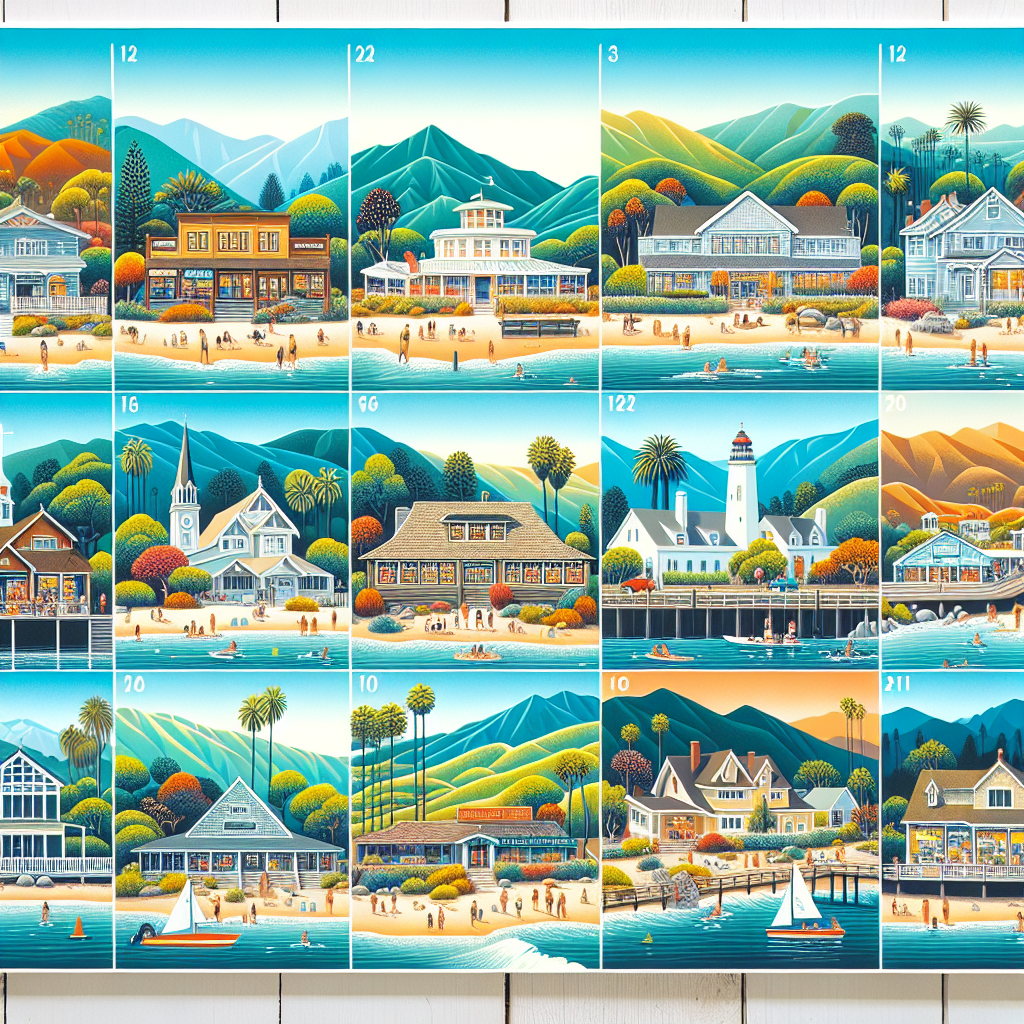
12 Towns in Pacific Coast
Use this step-by-step guide to road-trip the Pacific Coast from Washington to Southern California, hitting 12 standout towns. Each step tells you how to arrive, what to prioritize, and how to make the most of your time.
1) Long Beach, Washington
– How to get there: Fly into Portland (about 2.5–3 hours’ drive) or Seattle (about 3.5–4.5 hours). Aim to arrive mid-afternoon to catch sunset.
– Book your base: Choose an oceanfront motel in Long Beach or a campsite at Cape Disappointment State Park. If you’ll visit state parks, buy a Washington Discover Pass online in advance.
– Time your tides: Check NOAA tide tables for low tide to walk the broad beach safely and spot tide pools near the rocky headlands of Cape Disappointment.
– What to do: Ride or walk the Discovery Trail, visit North Head Lighthouse, and watch for sneaker waves on open beaches. Dress in layers; coastal winds can be strong even in summer.
– Food and fuel: Top off gas in town. Try local oysters and chowder; reservations help on summer weekends.
2) Astoria, Oregon
– Cross the Astoria–Megler Bridge from Washington; high winds are common, so drive cautiously.
– Park logistics: Use public lots near the waterfront or by the Astoria Column. Expect hills; comfortable shoes help.
– Priorities: Climb the Astoria Column for river-and-ocean views, ride the Riverwalk Trolley (seasonal), and visit the Columbia River Maritime Museum. Allow 3–4 hours.
– Side trip: Fort Stevens State Park for the Peter Iredale shipwreck and beach walking. Keep an Oregon State Parks day-use permit handy or pay at the park.
– Stay and dine: Book a river-view room. Breweries and fish houses line the waterfront; check kitchen closing times midweek.
3) Cannon Beach, Oregon
– Arrive early: Parking fills by late morning. Use town lots on Hemlock Street and signed beach accesses; do not drive on the beach.
– Haystack Rock: Plan your visit at low tide to see tide pools. Keep to bare sand and rock; avoid stepping on anemones and mussels.
– Ecola State Park: Check for road or trail closures before you go. Bring rain gear and a park day-use pass or card for the fee kiosk.
– Walk it: Stroll from Tolovana to Haystack Rock, then explore galleries and bakeries downtown during the midday fog or crowds.
– Sunset plan: Return to the beach an hour before sunset; pack a warm layer and headlamp for the walk back.
4) Newport, Oregon
– Route and arrival: Continue south on US-101; the Yaquina Bay Bridge is windy, so keep both hands on the wheel.
– Reserve ahead: Buy timed tickets for the Oregon Coast Aquarium to avoid lines. Set aside 2–3 hours.
– Yaquina Head: Visit Yaquina Head Outstanding Natural Area for lighthouse views and tide pools. Check tide tables and be mindful of surge channels. Federal passes may be accepted; confirm onsite.
– Old Bayfront: Park once, then walk to the sea lion docks and working harbor. Grab chowder or Dungeness crab; bring a jacket for the wind.
– Lodging: Choose the Nye Beach area for walkability and easy beach access.
5) Bandon, Oregon
– Scenic focus: Head to Face Rock State Scenic Viewpoint for panoramic beaches and sea stacks. Use the stairs to access the beach; wear shoes with grip.
– Timing: Sunset is spectacular here. Check tide times—some rock features are reachable only at lower tides, and incoming tides can cut off return routes.
– Lighthouse: Visit Coquille River Lighthouse at Bullards Beach State Park. Be patient with shifting sand and brisk winds.
– Town walk: Explore galleries and candy shops downtown; sample cranberry treats from local bogs.
– Overnight: Expect strong evening winds; secure anything left on balconies or at campsites.
6) Crescent City, California
– Border crossing: You may encounter agricultural inspection entering California. Keep produce accessible.
– Redwoods access: Drive to Jedediah Smith Redwoods State Park for Stout Grove. Howland Hill Road is a well-graded dirt road; avoid after major storms. Park legally and don’t block emergency pullouts.
– Hike plan: Short, flat trails make big impact. Bring bug spray, a light jacket, and water. Keep at least 100 feet from elk.
– Coastline: Walk Enderts Beach at low tide, watching for slippery rocks and sneaker waves.
– Supplies: Fog can be chilly; pick up extra layers, snacks, and a paper map in case of spotty cell service.
7) Mendocino, California
– The drive: Take US-101 to CA-1; expect narrow, winding stretches. If motion-sick, plan breaks at pullouts and avoid driving after dark.
– Park and wander: Free parking near Mendocino Headlands; walk the clifftop paths for whale watching in season (Dec–April).
– Forest time: Hike Van Damme State Park’s Fern Canyon Scenic Trail or rent a kayak for the calm Big River estuary at high tide.
– Town tips: Mendocino is compact—browse bookstores and cafés. Many restaurants close early; make dinner reservations.
– Overnight: Coastal fog horns may sound at night; pack earplugs if you’re a light sleeper.
8) Santa Cruz, California
– Arrival strategy: Enter via CA-1 and target parking around West Cliff Drive before 10 a.m. on weekends.
– Coastal loop: Walk or bike West Cliff from the Lighthouse/Surfing Museum to Natural Bridges State Beach. Monarch butterflies cluster Oct–Feb at the grove; stay on paths.
– Boardwalk basics: Check operating hours for the Santa Cruz Beach Boardwalk. Buy ride wristbands online to save time.
– Surf etiquette: If watching at Steamer Lane, keep well back from the cliff edge and give surfers space at stair entries.
– Redwoods break: Drive to Henry Cowell Redwoods State Park for a 0.8-mile loop among giant trees. Bring exact change or a card for the parking fee.
9) Carmel-by-the-Sea, California
– Book early: Lodging is limited and pricey. If you’re budget-minded, base in Monterey or Pacific Grove and day-trip.
– Morning plan: Walk Scenic Road and Carmel Beach at sunrise. Dogs are common; respect leash rules and pack out waste.
– Point Lobos: Arrive at opening to secure parking. Stay on signed trails; don’t approach wildlife. If the lot is full, wait for turnover at the gate rather than parking illegally on Highway 1.
– Optional drive: 17-Mile Drive takes 1.5–2 hours with photo stops. Keep your receipt accessible for in-and-out privileges the same day.
– Dining: Many spots enforce dress codes and have limited seating; reserve in advance and expect earlier closing times midweek.
10) Pismo Beach, California
– Timing: If you’re here Nov–Feb, visit the Monarch Butterfly Grove in late morning when temperatures warm and butterflies are active.
– Trails: Hike Pismo Preserve for ocean views; trailheads have limited parking, so arrive early or late afternoon.
– Dunes: If considering Oceano Dunes SVRA, check current rules, closures, and whether beach driving is allowed. Air down tires only in designated areas, mind tides, and watch for pedestrians and wildlife.
– Downtown: Stroll the pier and grab clam chowder in a bread bowl. Sunset photography is best from the pier or Shell Beach bluffs.
– Overnight: Coastal fog can reduce visibility; keep headlights on and drive slowly after dark.
11) Santa Barbara, California
– Park once: Use the waterfront lots along Cabrillo Boulevard and explore on foot or by bike.
– Culture stop: Tour Old Mission Santa Barbara; modest entry fee applies. Dress respectfully and check hours.
– Urban Wine Trail: Cluster tastings in the Funk Zone so you can walk between them; hydrate and snack between pours.
– Hike choice: Start Inspiration Point early to avoid heat; bring at least 1 liter of water per person and grippy shoes.
– Island day trip: Book a ferry to Channel Islands National Park from Ventura Harbor at least a week in advance. Seas can be rough; pack seasickness meds and a windbreaker.
12) La Jolla, California
– Parking plan: Arrive by 8–9 a.m. for spots near La Jolla Cove or La Jolla Shores. Street parking has time limits; read signs carefully.
– Snorkel and kayak: Reserve morning tours for calmer seas. Check surf and visibility reports; use a shorty or full wetsuit even in summer.
– Wildlife viewing: Watch seals and sea lions from a distance at the Cove and Point La Jolla. Obey seasonal or rolling closures and never cross roped areas.
– Scenic finish: Walk the Coast Walk Trail and catch sunset at Torrey Pines State Natural Reserve or the Gliderport. Pay the day-use fee where required and stick to marked trails.
– Wrap-up logistics: Rinse gear at beach showers, then head to San Diego Airport (about 25–30 minutes without traffic). Return rental cars full and early to avoid late fees.
Trip-wide tips
– Best seasons: Late spring and early fall offer lighter crowds and clearer skies; winter brings dramatic surf and rain; midsummer can be foggy on the Northern Coast.
– Safety: Never turn your back on the ocean, especially near rocks. Check tide charts daily. Give wildlife ample space.
– Driving: Portions of CA-1 are narrow and winding. Plan daylight driving for the curviest segments and check for closures on WSDOT, Oregon TripCheck, and Caltrans QuickMap.
– Passes and fees: Expect day-use fees at many state parks. Confirm which passes are accepted before you go.
– Packing: Layers, waterproof shell, sturdy shoes, headlamp, reusable water bottle, sun protection, small first-aid kit, and cash/card for park kiosks.
Follow these steps and you’ll have a coastal road trip that balances iconic viewpoints, local flavors, quiet trails, and ocean time—at a pace that feels like a vacation, not a race.


